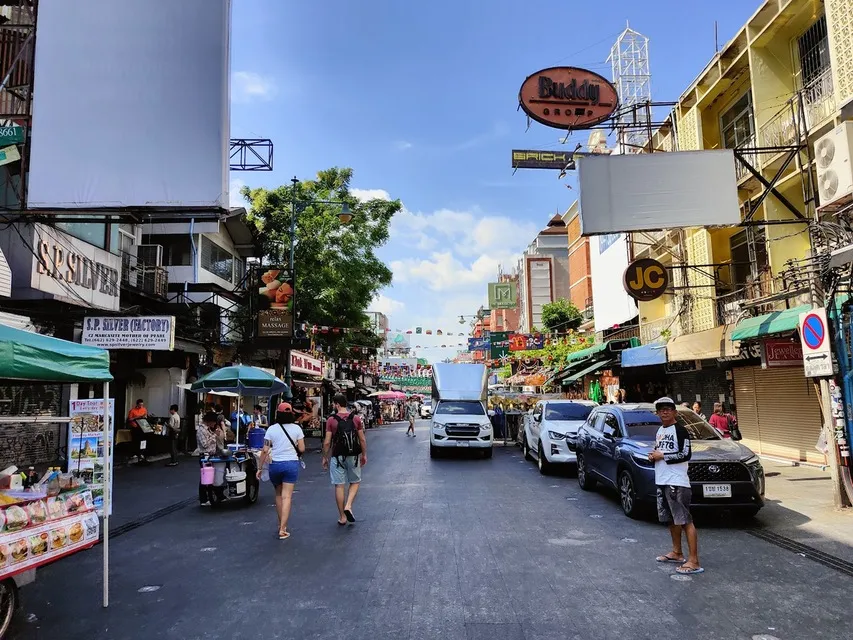
What is the crime rate in Bangkok? None of the three governments whose travel advice is most widely used by English-speaking visitors (the UK, the United States and Australia) publishes a crime rate for Bangkok. What they do publish is a risk rating for Thailand as a whole and a description of the crime visitors actually meet, which is mostly petty theft and scams rather than violence. As of September 2026, the US rates Thailand at Level 1, "exercise normal precautions", the lowest of its four levels.
This guide sets out what each government says, dated, and turns it into practical advice for a Bangkok trip, along with the numbers to call if something goes wrong.
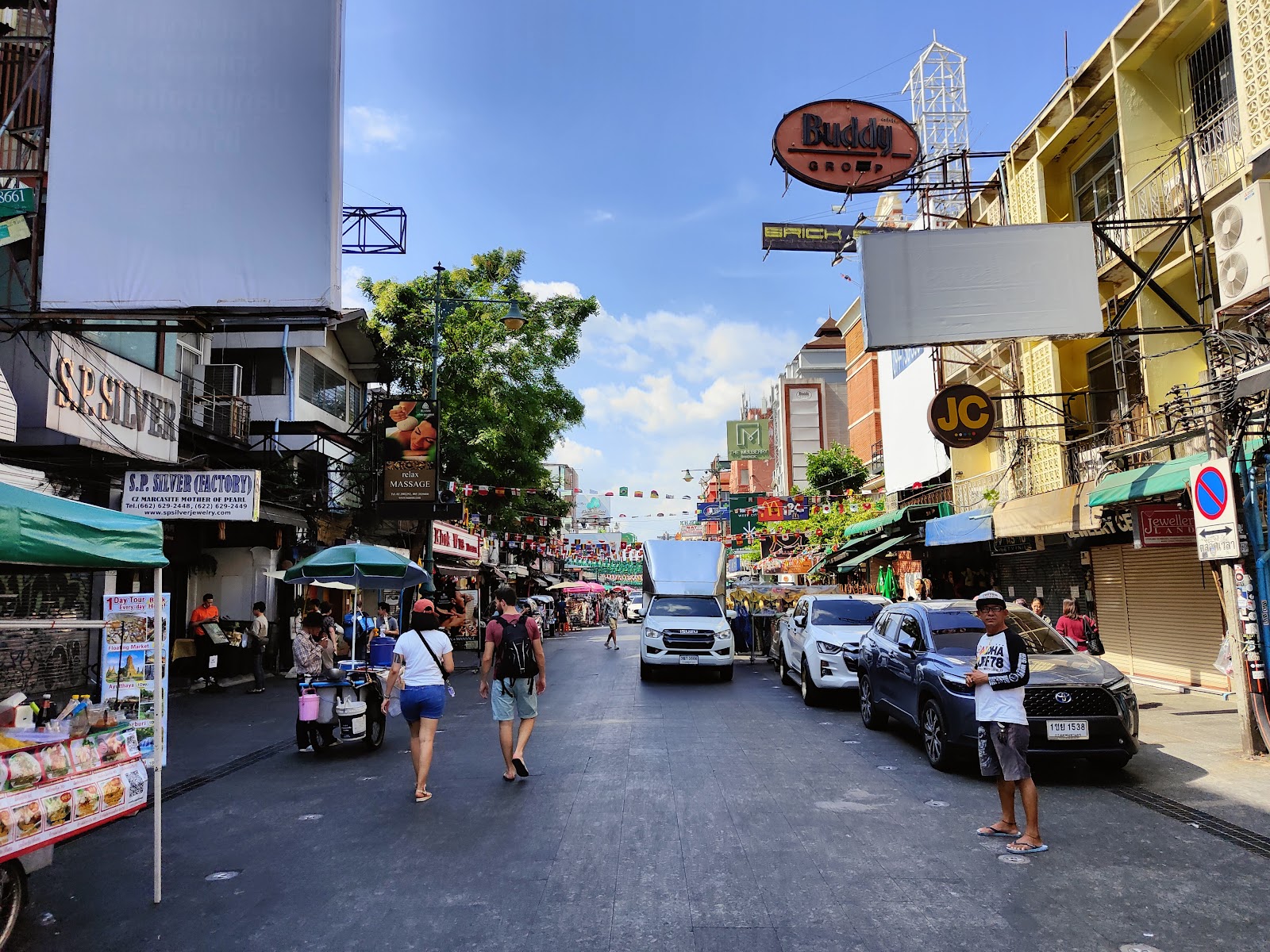
What the official travel advice says
- United States (State Department). Its advisory of July 7, 2026 lowered Thailand to Level 1, "exercise normal precautions", while advising increased caution near the Thai-Cambodian border and in Yala, Pattani and Narathiwat provinces in the far south.
- United Kingdom (FCDO). The advice was last updated on September 18, 2026 and was still current on September 26, 2026. It advises against all but essential travel to parts of the far south near Malaysia and to areas within 20 km of the Cambodian land border. It does not advise against travel to Bangkok.
- Australia (Smartraveller). Its overall level for Thailand is "exercise a high degree of caution", updated June 3, 2026 and still current on September 17, 2026, with higher levels for the far south and the Cambodian border areas.
The three governments use different scales, so the ratings are not directly comparable. What they agree on is the kind of crime a visitor to Bangkok should plan for.
The crime visitors are most likely to meet
Pickpocketing and bag-snatching
Both the UK and Australia warn about thieves on motorcycles snatching bags. Australia adds that bags have been sliced open, and that money and passports have been stolen from budget hotel and hostel rooms and from bags on public transport. Their advice:
- carry cash and valuables securely, and hold bags and backpacks in front of you
- be wary of motorcycles approaching from behind on the pavement
- keep bank cards and cash in separate places
- take care in open vehicles such as tuk-tuks, and avoid sleeping on buses and trains with valuables in your bag
Scams
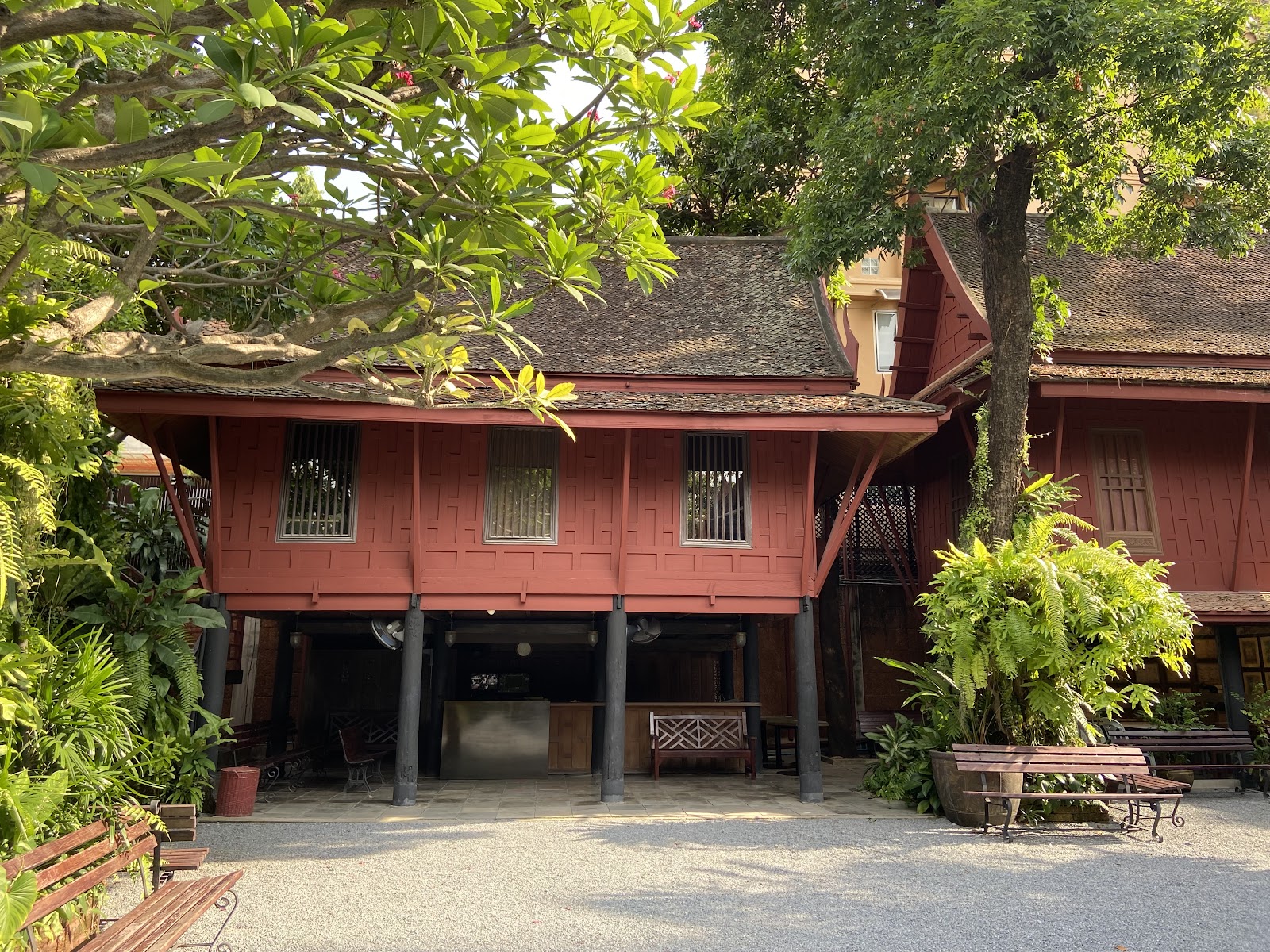
Scams are the other common problem. Australia warns about apparently friendly taxi or tuk-tuk drivers offering cheap tours that end at shops where they earn a commission, where visitors may be overcharged or sold worthless goods or gems. A version of this starts with a stranger telling you a sight is closed. The Jim Thompson House museum warns visitors about strangers who claim it is closed for half a day on Buddhist or public holidays and offer to take them elsewhere; it has no connection with them. Check opening times on each sight's own website before you go, and buy tickets at the official entrance, as at the Grand Palace, which sells them at its entrance gate and online.
Other points from the advice: never hand over your passport as a deposit or guarantee, for example when renting a motorbike or jet ski, and watch for card skimming. The UK suggests using ATMs inside banks and never letting your card out of sight during a transaction.
Nights out
Australia names Khao San Road and Sukhumvit, along with night-time entertainment areas, as places to be extra careful. Both it and the UK warn that drink spiking happens in tourist areas: do not leave drinks unattended or accept drinks from strangers, stay with people you trust, and arrange your transport home in advance. The UK also reports deaths from alcoholic drinks containing methanol in Thailand, which cannot be detected by taste or smell.
Violent crime
The UK says violent crime, including gun crime, rarely involves tourists, and advises against walking through isolated areas alone, especially at night.
Other risks the advice highlights
- Road safety. The UK notes that Thailand has a high number of road accidents, particularly involving motorcycles. Helmets are required by law.
- Protests. The UK advises avoiding protests, political gatherings and marches.
- Terrorism. The UK and Australia both say attacks could happen anywhere in Thailand, including tourist areas. Stay aware of your surroundings and follow local news and the authorities' instructions.
- Local laws. Criticizing the monarchy is a serious offense, including online. Police may ask to see your passport; the UK says a copy of the photo page is usually enough.
For the everyday side of the city, see our guides to what not to do in Bangkok and why Bangkok has a bad reputation.
Getting around safely
Australia says official metered taxis are generally safe and convenient: make sure the driver's identification card is visible and insist on the meter. For unmetered taxis, tuk-tuks and motorcycle taxis, agree the fare and route before you get in. If you use a ride-hailing app, check the plate number and driver's name match the app. Our guides to using Grab in Bangkok and tuk-tuk fares have the details. Never confront a driver; call the Tourist Police instead.
If something happens
The Tourist Police number is 1155, and the UK and Australia both point to the Thailand Tourist Police app for visitors without a Thai SIM card. For the police, call 191; for an ambulance, 1669. Report a crime at the police station nearest to where it happened and get a police report, which you will need for an insurance claim. Contact your embassy if your passport is stolen.
Sources: US State Department, Thailand Travel Advisory, UK FCDO, Thailand travel advice, UK FCDO, Safety and security, UK FCDO, Getting help, Smartraveller, Thailand, Jim Thompson House, visitor information. Checked September 26, 2026.
The US State Department rates Thailand at Level 1, "exercise normal precautions" (advisory of July 7, 2026). The UK does not advise against travel to Bangkok (advice updated September 18, 2026). Australia's overall advice for Thailand is "exercise a high degree of caution" (updated June 3, 2026). All three describe petty theft and scams as the main crime risks for visitors.
1155. The Thailand Tourist Police app is also available for visitors without a Thai SIM card.
Police 191, Tourist Police 1155, ambulance 1669, according to the UK Foreign Office. Australia also lists 199 for fire and rescue.
Official advice highlights drivers offering cheap tours that end at commission shops, strangers claiming a sight is closed, overcharging on unmetered rides, card skimming, and renters asking for your passport as a deposit.
The UK says violent crime rarely involves tourists but advises avoiding isolated areas alone at night. Australia asks visitors to take extra care around Khao San Road, Sukhumvit and night-time entertainment areas, and to watch their drinks.
Report it at the police station nearest to where it happened and ask for a police report for your insurer. Call the Tourist Police on 1155 for help in English, and contact your embassy about a replacement passport.
Police may ask to see it. The UK says a copy of the photo page is usually enough, and if you do not have your passport with you, you could be asked to show it at a police station within 24 hours.