
What is Bangkok belly? "Bangkok belly" is a nickname travelers use for travelers' diarrhea: an upset stomach with loose, frequent stools, sometimes with cramps, nausea or a mild fever, that starts during a trip or soon after. It is not a special illness found only in Bangkok. The UK's travel health service, TravelHealthPro, describes travelers' diarrhea as the most common health problem travelers experience, and most episodes clear up on their own within a few days.
This guide explains what the official health services say about the causes, symptoms, prevention and self-care, and when to see a doctor. It is general information, not medical advice. If you are unwell, especially with the warning signs listed below, see a pharmacist, doctor or clinic.
What causes it?
According to TravelHealthPro, travelers' diarrhea is usually caused by eating food or drinking water contaminated with bacteria, viruses or parasites. Bacteria are the most common cause. A change of diet, the stress of travel or more alcohol than usual can also upset your stomach, but most episodes are linked to infection.
The CDC says travelers' diarrhea can happen anywhere, and lists most of Asia (except Japan and South Korea) among the higher-risk regions, along with the Middle East, Africa, Mexico, and Central and South America. TravelHealthPro estimates that more than 20 percent of travelers from high-income countries to high-risk destinations are affected.
Symptoms and how long it lasts
TravelHealthPro defines travelers' diarrhea as three or more loose stools in 24 hours, often with at least one of fever, nausea, vomiting, stomach cramps or blood in the stool. It most often starts in the first week of a trip, and it usually lasts three to four days. Symptoms can also begin up to 10 days after you get home.
Most cases are mild, but it can still disrupt plans: TravelHealthPro notes that some travelers spend a day or more in bed. Build a little slack into your itinerary, especially in the first days.
How to lower your risk
No precaution is foolproof, and TravelHealthPro points out that the illness is hard to prevent entirely when you are not preparing your own food. The CDC's advice for travelers includes:
- Eat food that is cooked and served hot, and avoid food that has been sitting out, for example on a buffet.
- Eat raw fruit and vegetables only if you have washed them in clean water or peeled them yourself.
- Drink bottled or canned drinks from factory-sealed containers, and be cautious with ice, which the CDC notes may be made from unclean water.
- Wash your hands with soap and water, especially after using the toilet and before eating, or use an alcohol-based hand sanitizer.
Bangkok is one of the world's great food cities, and none of this means skipping it. Choosing freshly cooked, hot dishes is the practical middle ground; our guides to what to eat in Bangkok and our Bangkok restaurants are good places to start.
What to do if you get it
Keep drinking fluids
The most important step is to avoid dehydration. The NHS advises drinking plenty of fluids, taking small sips if you feel sick, and eating when you feel able. The CDC and TravelHealthPro both recommend oral rehydration solution for more severe symptoms; it is sold in pharmacies as sachets to mix with safe drinking water. Dehydration is a bigger concern for babies and young children, older travelers, pregnant women and people with other health conditions.
Ask a pharmacist about medicines
The NHS says a pharmacist can help, and may suggest rehydration sachets or a medicine such as loperamide to stop diarrhea for a few hours. The NHS says loperamide is not suitable for children under 12, and TravelHealthPro advises against these medicines if you have blood or mucus in your stool or a high fever. Antibiotics are only for more serious cases, and only when a doctor prescribes them.
Rest and look after others
The NHS advises washing your hands often, not sharing towels or cutlery, and not using a swimming pool until 48 hours after your symptoms stop. That is worth remembering in a hotel with a shared pool.
When to see a doctor
TravelHealthPro advises getting medical care if your symptoms have not improved within three days, and seeking care immediately if you have:
- a fever of 38°C or higher;
- blood or mucus in your stool;
- severe stomach pain, confusion, yellowing of the skin or eyes, or a rash;
- signs of dehydration, such as great thirst, sunken eyes or peeing less than usual, particularly in a child, an older person or during pregnancy.
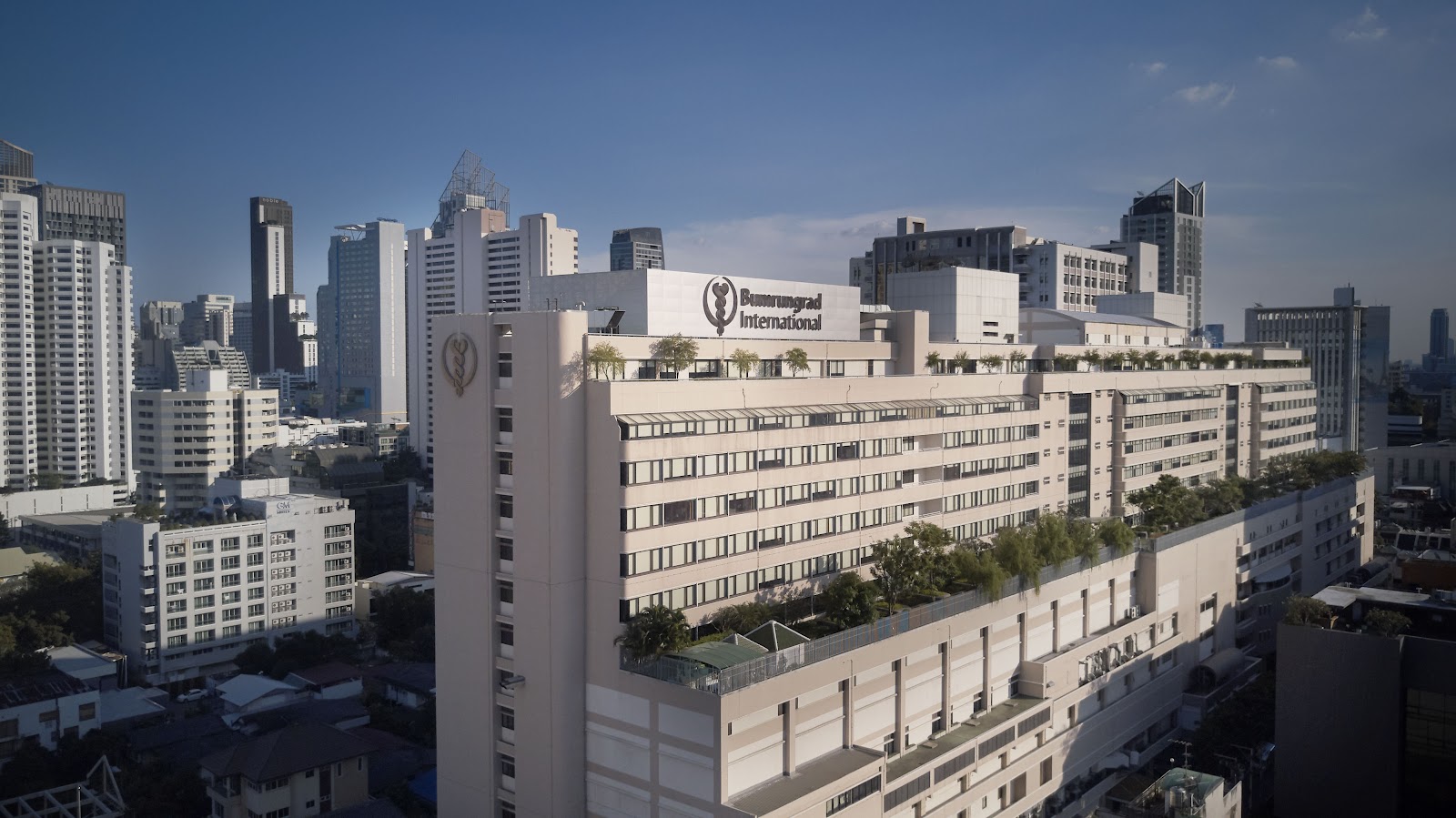
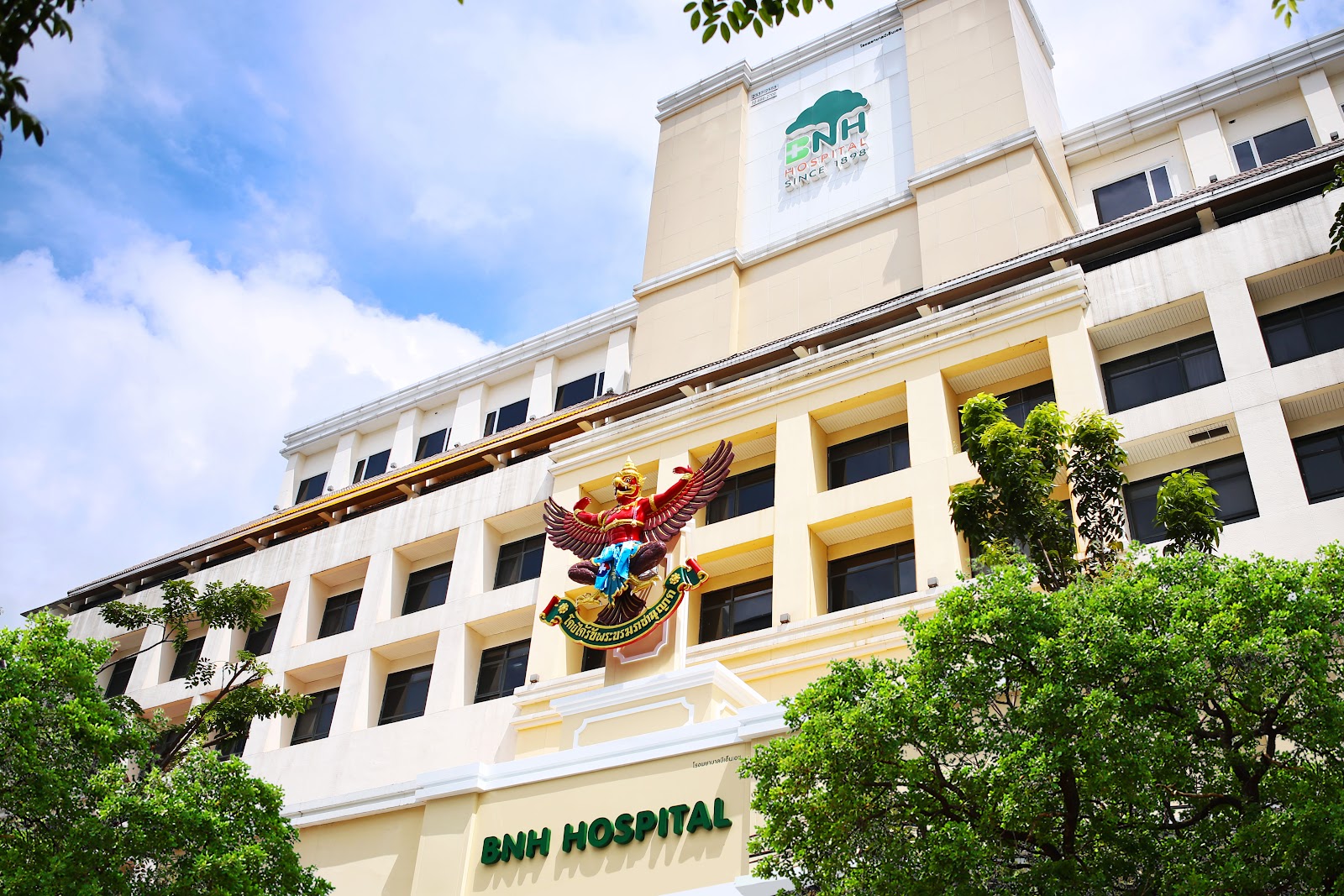
Bangkok has large private hospitals with emergency departments, including Bumrungrad International Hospital on Sukhumvit Soi 3, which says its emergency line is available 24 hours a day, and BNH Hospital on Convent Road near Silom. The UK government's travel advice for Thailand gives 1669 as the local number for an ambulance. Keep your travel insurance details with you, and call your insurer early if you are admitted.
Before you travel
There is no vaccine against travelers' diarrhea itself. The CDC's Thailand page recommends some vaccines for illnesses spread through food and water, including hepatitis A and typhoid, which are separate from travelers' diarrhea. See a travel health clinic several weeks before your trip, and read our guide to vaccinations for Bangkok. Pack oral rehydration sachets and a thermometer, and if you have a long-term condition, ask your own doctor for a plan before you go.
Sources: TravelHealthPro (NaTHNaC), travellers' diarrhoea, TravelHealthPro, Thailand, CDC, travelers' diarrhea, CDC, food and water safety, CDC, Thailand, NHS, diarrhoea and vomiting, GOV.UK, Thailand travel advice: health, Bumrungrad International Hospital, BNH Hospital. Checked September 26, 2026.
It is a nickname for travelers' diarrhea, which is a recognized condition. TravelHealthPro describes it as the most common health problem experienced by travelers. It is not specific to Bangkok.
TravelHealthPro says travelers' diarrhea usually lasts three to four days and often clears up on its own. The NHS says diarrhea usually stops within 5 to 7 days. If it has not improved within three days, see a doctor.
Plenty of fluids, in small sips if you feel sick. For more severe symptoms, the CDC and TravelHealthPro recommend oral rehydration solution mixed with safe drinking water. The NHS advises avoiding fruit juice and fizzy drinks, which can make diarrhea worse.
Adults can ask a pharmacist. The NHS says loperamide can stop diarrhea for a few hours but is not suitable for children under 12, and TravelHealthPro advises against it if there is blood or mucus in the stool or a high fever. Follow the pack instructions.
If symptoms have not improved within three days, or straight away if you have a fever of 38°C or more, blood or mucus in your stool, severe stomach pain, confusion, yellow skin or eyes, a rash, or signs of dehydration.
No. There is no vaccine for travelers' diarrhea. The CDC recommends vaccines such as hepatitis A and typhoid for many travelers to Thailand, but those protect against different illnesses.
The UK government's travel advice gives 1669 as the local number for an ambulance. Bumrungrad International Hospital lists its own emergency line, +66 2066 8888, as available 24 hours a day.