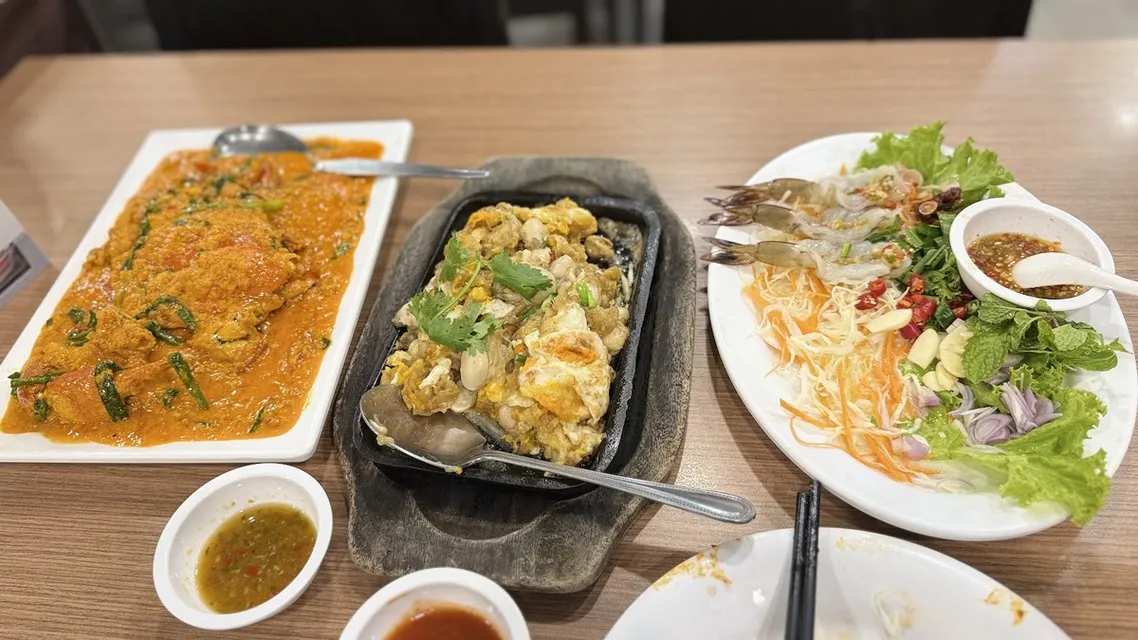
What is Bangkok sauce? It is not a recognized traditional Thai sauce. The name is mostly a label used outside Thailand, by food brands and restaurants, for sauces meant to taste "Thai". What is inside depends entirely on who made it: some are sweet chili sauces, others are peanut sauces, and a few are hot sauces.
So the useful answer is to check the label, and to know the real Thai sauces these products are borrowing from. If you are coming to Bangkok, those originals are what you will actually meet on the table.
What products called "Bangkok sauce" contain
Product databases show how loosely the name is used. Open Food Facts, the open database of packaged-food labels, lists several products with "Bangkok" in the sauce name, and they have little in common:
- Bangkok Peanut Sauce from House of Tsang, sold in the United States, is a peanut sauce. Its listed ingredients start with water, peanut butter, sugar, soy sauce and rice vinegar, with sesame oil, garlic, lemongrass and ginger in smaller amounts.
- 4 Bangkok Hott, a US hot sauce, lists rice wine vinegar, Thai chilies, agave nectar, garlic, ginger, lemongrass and fish sauce.
- Sardines in Bangkok Sauce, a canned fish product from Indonesia, uses the name for the sauce the fish is packed in.
In other words, "Bangkok" on a label is a flavor cue rather than a recipe. If you are trying to match a sauce you had at a restaurant at home, ask the restaurant, or read the ingredient list: peanut butter points to a satay-style sauce, and chilies, sugar and vinegar point to a sweet chili sauce.
The Thai sauces behind the name
Thai cooking uses the term nam chim (also written nam jim), which simply means "dipping sauce". It covers a whole family of sauces, many of them a balance of salty, sweet, spicy and sour, and each is matched to particular dishes. Three are most often imitated by "Bangkok" products abroad.
Sweet chili sauce (nam chim kai)
Known in Thailand as nam chim kai, the dipping sauce for chicken, this is the sauce most people outside Thailand mean when they say "Thai sauce". It is made with red chilies, vinegar, a sweetener such as sugar, and often garlic, and as the Thai name suggests, it is a dip for chicken.
Peanut sauce
Peanut sauce is served with satay, the grilled skewers found across Southeast Asia. Bottled "Bangkok peanut" sauces, like the one above, follow this satay-style idea and are sold for dipping, dressings and stir-fries.
Sriracha
Sriracha, the chili, vinegar, garlic, sugar and salt sauce, takes its name from the town of Si Racha in Chonburi province, not from Bangkok. It was first produced in 1932 by a native of Si Racha.
Tasting the originals in Bangkok
In Bangkok the sauce usually arrives in a small bowl beside the dish, and it changes with what you order. A few places to see how that works:
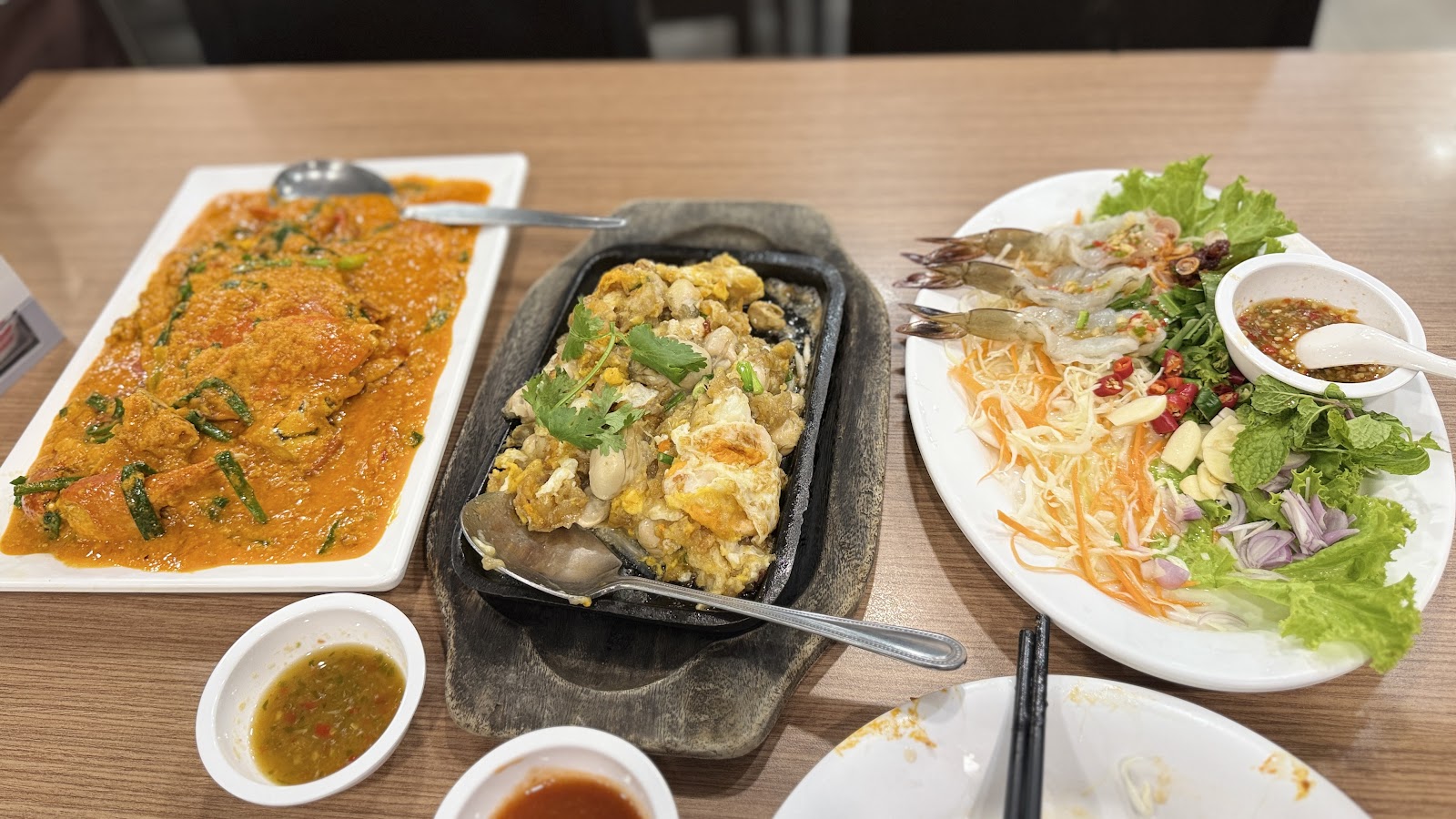
- Somboon Seafood is best known for its fried curry crab, cooked in a curry sauce with scallions and chili, and its menu also includes deep-fried sea bass with sweet fish sauce.
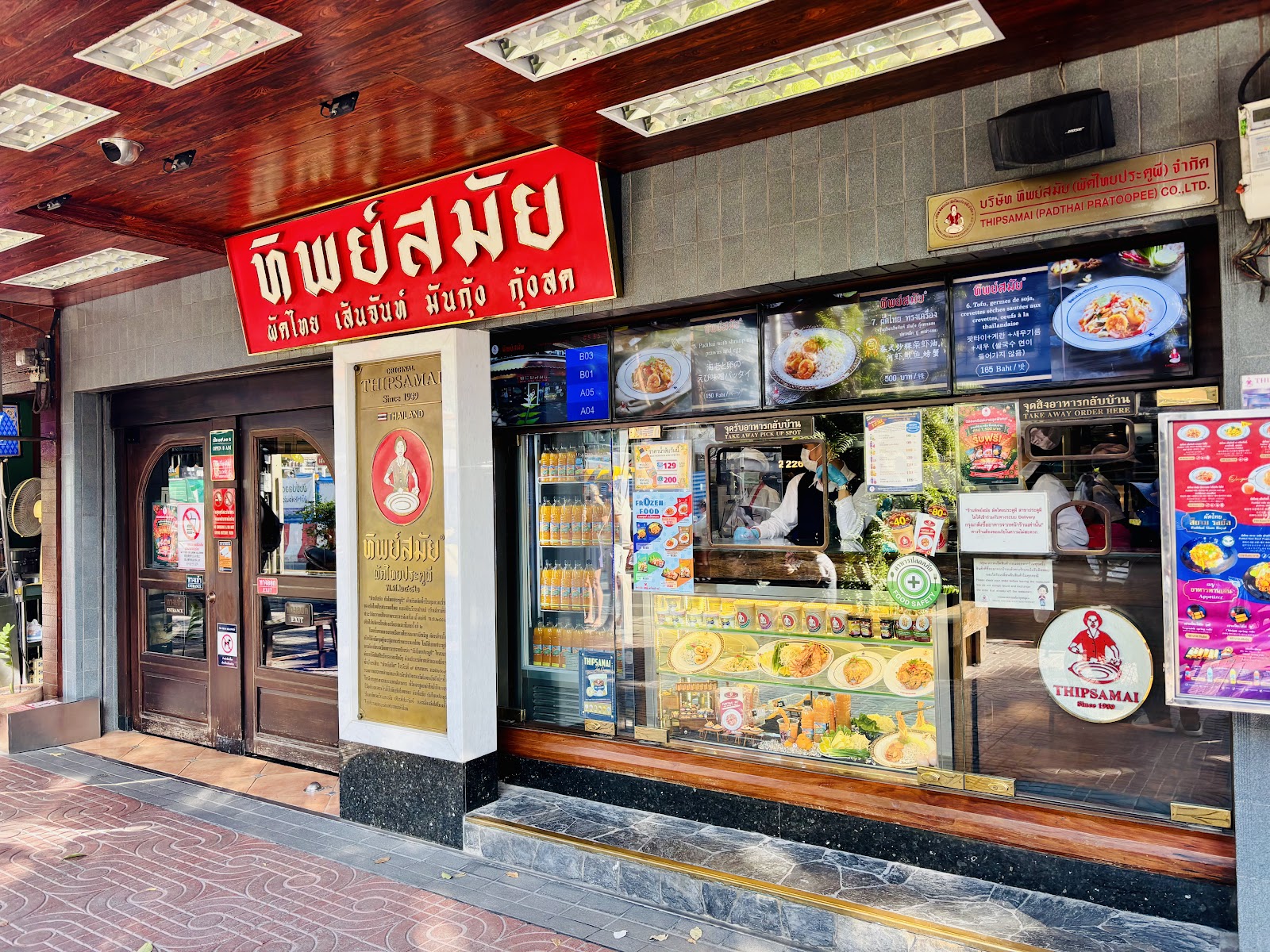
- Thipsamai, the pad thai shop on Maha Chai Road, sells its own pad thai sauces and ready-to-cook sets on its website, which is a more authentic souvenir than a jar labeled "Bangkok sauce".
- At Err Urban Rustic Thai, sour green mango comes with fish sauce as a shared snack, a simple example of how a sauce is built into a dish.
- To learn to cook Thai dishes yourself, Baipai Thai Cooking School runs hands-on classes, and the recipe booklets go home with you.
For more places to eat, see our guide to Bangkok restaurants.
How to use a bottled "Bangkok sauce"
Treat it according to what it actually is. A sweet chili style sauce works as a dip for spring rolls, fried chicken or fish cakes. A peanut style sauce suits grilled skewers, noodle salads and dressings. A vinegar-based hot sauce is a table condiment, used a few drops at a time. Check the label for peanuts, sesame, soy and fish sauce if you are cooking for someone with an allergy.
Sources: Open Food Facts, House of Tsang Bangkok Peanut Sauce, Open Food Facts, 4 Bangkok Hott, Open Food Facts, Sardines in Bangkok Sauce, Wikipedia, Nam chim, Wikipedia, Sweet chili sauce, Wikipedia, Satay, Wikipedia, Sriracha. Checked September 26, 2026.
Not in the traditional sense. It is not a recognized Thai sauce; the name is mostly a label used outside Thailand by food brands and restaurants, and the recipe varies from product to product.
It depends on the maker. House of Tsang's Bangkok Peanut Sauce is a peanut sauce made with peanut butter, sugar, soy sauce and rice vinegar, while other "Bangkok" sauces are sweet chili or hot sauces based on chilies, vinegar, sugar and garlic. Read the ingredient list.
It varies. Peanut-style versions are usually mild and sweet, while chili and hot-sauce versions can be quite hot. The ingredient list and any heat rating on the label are the best guide.
Most products imitate one of three Thai sauces: sweet chili sauce (nam chim kai), peanut sauce served with satay, or sriracha-style chili sauce.
No. Sriracha is named after the town of Si Racha in Chonburi province and was first produced in 1932 by a native of Si Racha.
Nam chim, also written nam jim, is Thai for dipping sauce. It covers many different sauces, often combining salty, sweet, spicy and sour flavors, each matched to particular dishes.
Yes. Some restaurants sell their own, such as Thipsamai, whose pad thai sauces and ready-to-cook sets are sold on its website. Check your home country's customs rules on bringing food back.