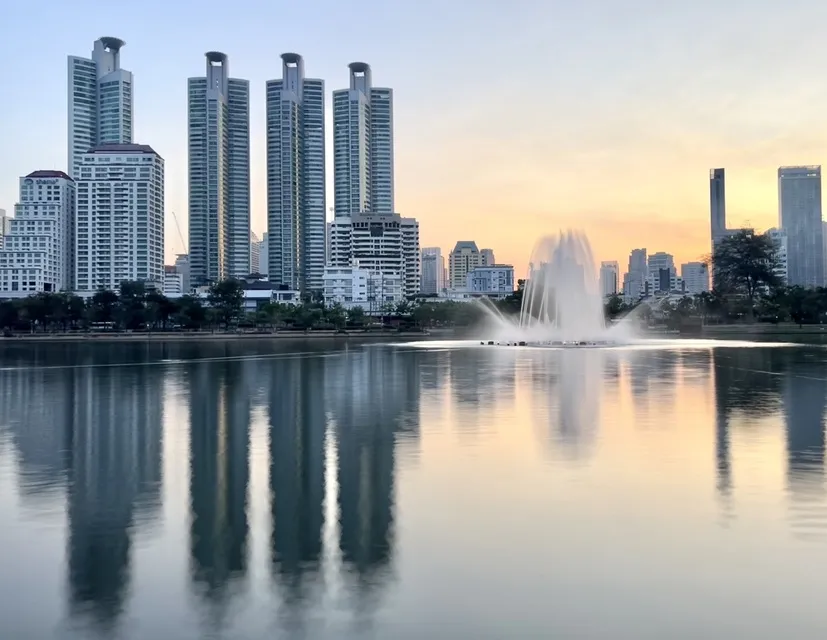
How much is rent in Bangkok? There is no single answer, because rents vary with the neighborhood, how close the building is to a BTS or MRT station, the building's age and facilities, and the size and furnishing of the unit. We could not find a current, official source for citywide rent levels, so this guide gives no figures. Instead it explains what pushes a Bangkok rent up or down, so you can judge any listing you find.
The quickest way to get a real number is to pick two or three areas, then compare current listings for similar units in buildings of a similar age. The factors below tell you which comparisons are fair.
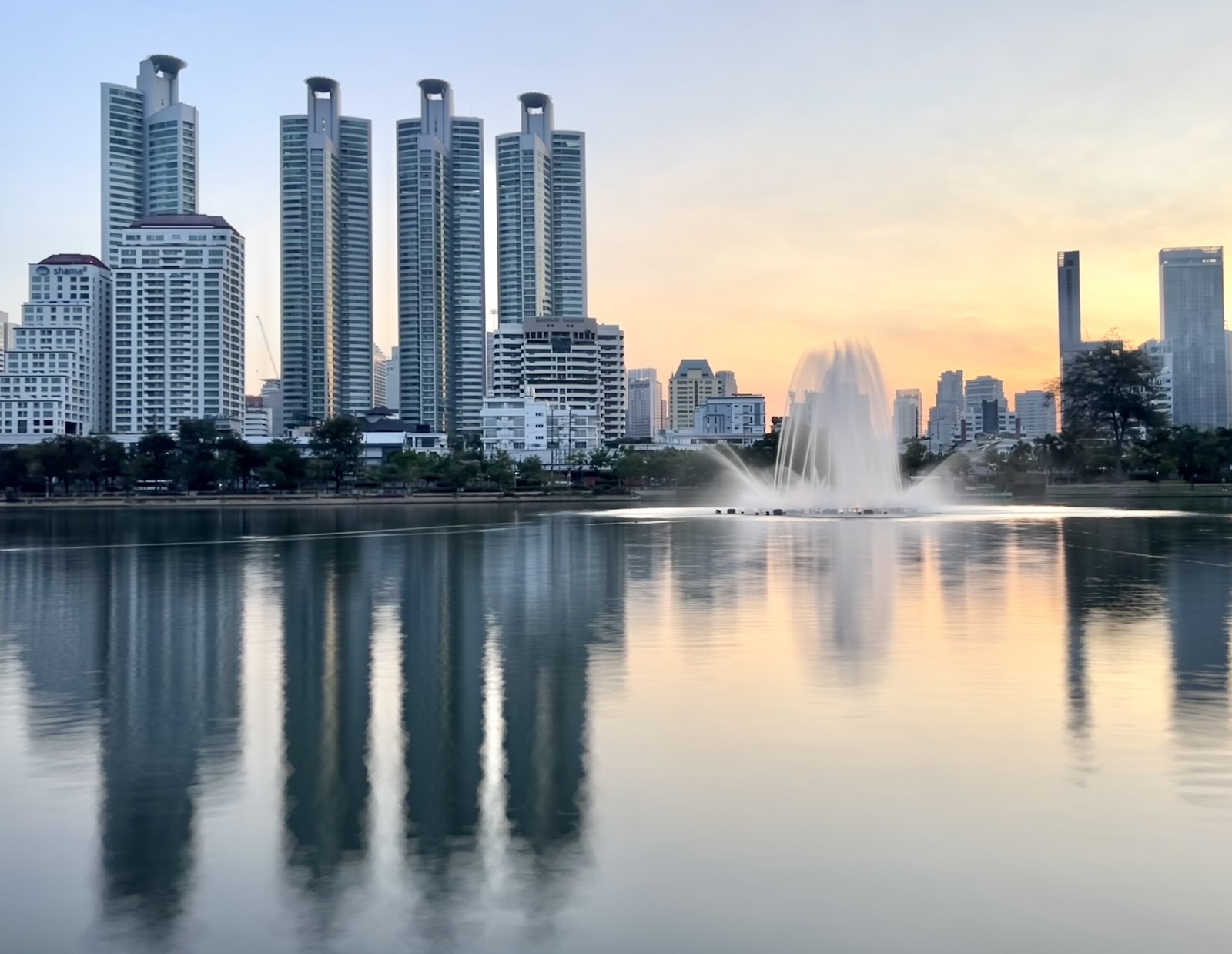
1. Neighborhood
Location is the biggest single driver. The central business and shopping districts sit at the top of the market: the Sukhumvit corridor (Nana, Asok, Phrom Phong, Thong Lo, Ekkamai), Silom and Sathorn, and the Siam, Ratchaprasong and Ploenchit area. These areas combine offices, international schools, malls and the densest rail network, and they draw both local professionals and foreign residents.
Rents generally ease as you move away from the center. Examples include areas farther out along the rail lines, neighborhoods north around Ari and Chatuchak, and districts across the Chao Phraya in Thonburi. Each has its own character. Ari is known for local cafes, and the area around the Chatuchak Weekend Market offers big parks and a quieter pace. When comparing, weigh the lower rent against the extra travel time to wherever you will go most often.
2. Distance to a BTS or MRT station
In a city with heavy road traffic, a short walk to a rail station is worth real money, and many listings advertise the distance in meters. Two otherwise similar condos can be priced quite differently if one is at the station and the other needs a motorbike taxi or a long walk in the heat. Check the official route maps for the BTS Skytrain and the MRT to see which lines serve an area. Then time the walk yourself before you sign, because advertised distances are not always accurate.
3. Building age, facilities and type
Newer condominium towers usually ask more than older buildings in the same area. They tend to have pools, gyms, co-working rooms and keycard security, and more modern finishes. Older buildings often trade some of that for larger rooms. Supply keeps changing: CBRE reported that new condominium launches in Bangkok rose 265% year on year in the second quarter of 2026, from a low base after the 2025 earthquake. The type of home matters as well:
- Condominium units are rented from individual owners, so the furniture, terms and responsiveness vary from unit to unit, even within one building.
- Apartment buildings are owned and managed by one landlord. They are often simpler, with standard terms across all units.
- Serviced apartments bundle in cleaning, furnishings and often utilities. They cost more, but suit shorter stays and people relocating for work.
- Townhouses and houses give more space, and are more common away from the rail lines.
4. Size, layout, floor and view
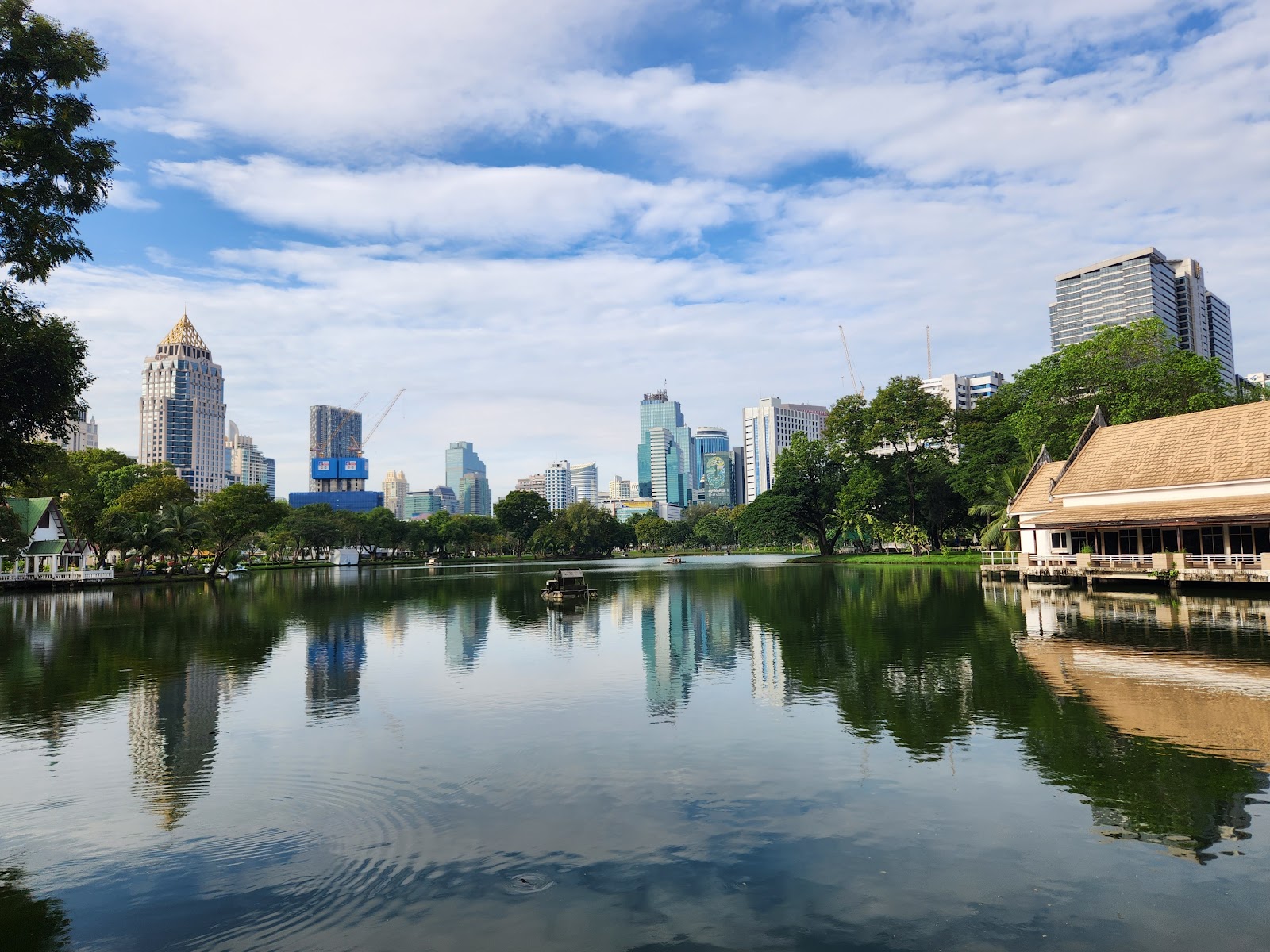
Within a building, rent rises with floor area and number of bedrooms. Higher floors, open views and park or river outlooks usually ask a premium. Buildings near large parks such as Lumphini Park and Benjakitti Park often promote those views in their listings. A corner unit with windows on two sides may cost more than an internal unit of the same size.
5. Furnishing and lease length
Most rentals marketed to foreigners come fully furnished, and the quality of that furniture and the appliances shows up in the price. Lease length matters too. Landlords typically prefer a one-year contract, and a shorter lease, if offered at all, usually costs more per month.
Costs to ask about beyond the rent
The monthly rent is only part of what you will pay. Before you sign, ask the landlord or agent:
- How big is the security deposit, how much rent is due in advance, and what are the conditions for getting the deposit back?
- How are electricity and water billed: at the state utility's rate, or at a rate set by the building?
- Is internet included, or do you set up your own line?
- Who pays the building's common-area fee?
- Are parking, cleaning or pool access charged separately?
- What notice is needed to leave early, and what happens to the deposit if you do?
Get every answer in the written lease, and photograph the unit's condition on move-in day.
Visiting first? Try the area before you commit
If you are moving to Bangkok, it helps to stay in a hotel or serviced apartment for the first few weeks. That lets you test the commute from different neighborhoods before signing a year-long lease. Browse our Bangkok hotels by neighborhood to find a base in the area you are considering, and our Bangkok attractions for what is nearby.
Sources: CBRE Thailand: Bangkok Overall Figures Q2 2026, BTS Skytrain, Bangkok Expressway and Metro: MRT system map. Checked September 26, 2026.
It depends mainly on the neighborhood, how near the building is to a BTS or MRT station, the building’s age and facilities, and the unit’s size and furnishing. We found no current official citywide figures, so compare live listings for similar units in the areas you are considering.
The central districts usually cost the most: the Sukhumvit corridor, Silom and Sathorn, and the Siam, Ratchaprasong and Ploenchit area. They have the densest rail network, offices, malls and international schools.
Generally, yes. Units a long walk or a motorbike-taxi ride from a station often rent for less than similar units next to one. The trade-off is travel time in Bangkok’s traffic.
Most rentals marketed to foreigners, especially condominium units, come fully furnished. The quality varies a lot from one owner to the next, even in the same building, so inspect the unit before you sign.
Check the deposit and advance rent, how electricity and water are billed, and what internet, common-area fees and parking cost. Ask about the notice period and deposit terms if you leave early, and make sure everything is written into the lease.
Landlords typically prefer one-year contracts. Shorter leases may be available, usually at a higher monthly rent. For stays of weeks rather than months, a serviced apartment or hotel is often simpler.