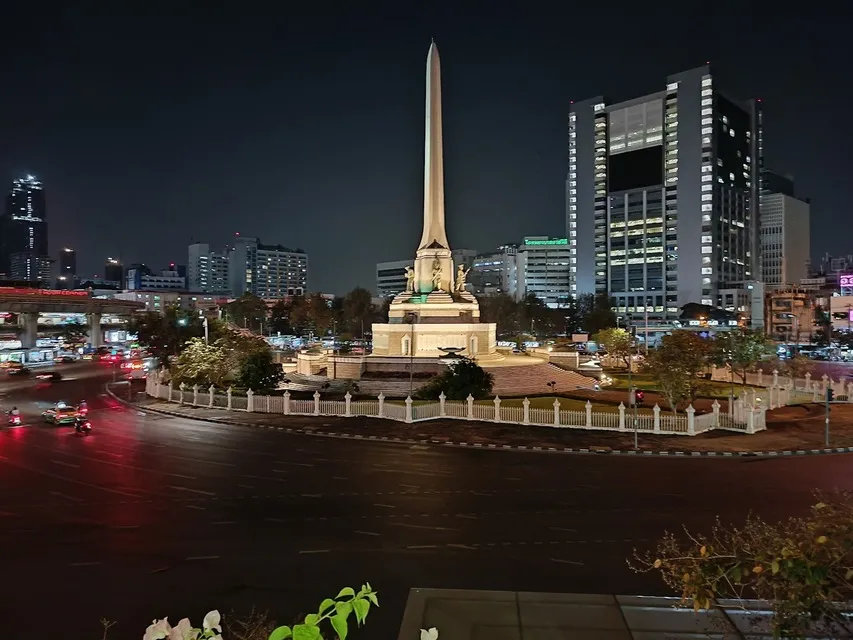
The bad things about Bangkok are real but manageable: heat and humidity all year, heavy road traffic, spells of poor air quality, tourist scams, and street flooding after heavy rain in the wet season. None of them is a reason to skip the city, but each one shapes how you should plan a day, when to travel and where to stay. Here is an honest look at each, with what official sources say and what to do about it.
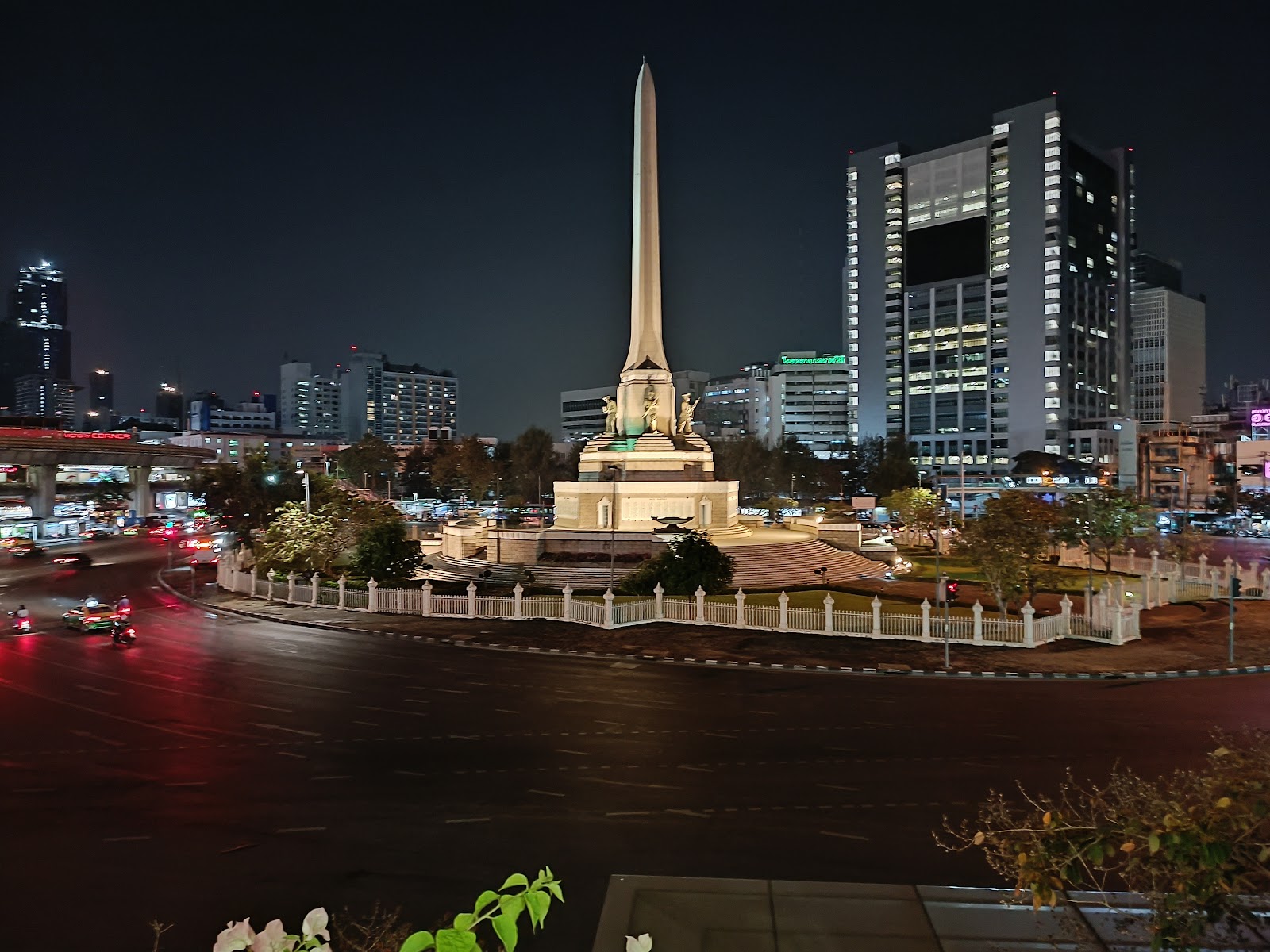
1. The heat never really goes away
Bangkok is hot every month of the year. Thai Meteorological Department climate normals for 1991 to 2020 show average daily highs between about 32°C and 36°C in every month. April is the hottest, with an average high of 35.7°C and an average daily mean of 30.7°C. Even December, the coolest month, has an average high of 32.3°C and an average low of 23.2°C. Humidity makes it feel hotter.
What helps:
- Start early. The Grand Palace opens at 8:30 a.m., and big parks such as Lumphini Park and Benjakitti Forest Park open from 4:30 a.m.
- Plan indoor time for the middle of the day: museums such as Museum Siam, a long lunch, or your hotel pool.
- Drink water through the day, and wear light, loose clothing that still covers shoulders and knees for temple visits.
2. Road traffic is heavy
Bangkok's roads are congested for much of the day, and a short distance on the map can take a long time by taxi at rush hour. Road safety is a bigger concern: the UK government's travel advice notes that Thailand has a high number of road traffic accidents, particularly involving motorcycles, and cites the World Health Organization's ranking of Thailand among the deadliest countries for motorcycle fatalities.
What helps:
- Use the rail network. The BTS Skytrain, the MRT and the Airport Rail Link run above and below the traffic.
- Use the river. The Chao Phraya Express Boat links Sathorn Pier, beside BTS Saphan Taksin, with the Old City piers, so you can reach the Grand Palace and Wat Pho without sitting in road traffic.
- Choose a hotel near a station or pier. It matters more than anything else for day-to-day travel time. Our Bangkok hotels list helps you compare locations.
- Take care crossing roads, and think twice about renting a scooter.
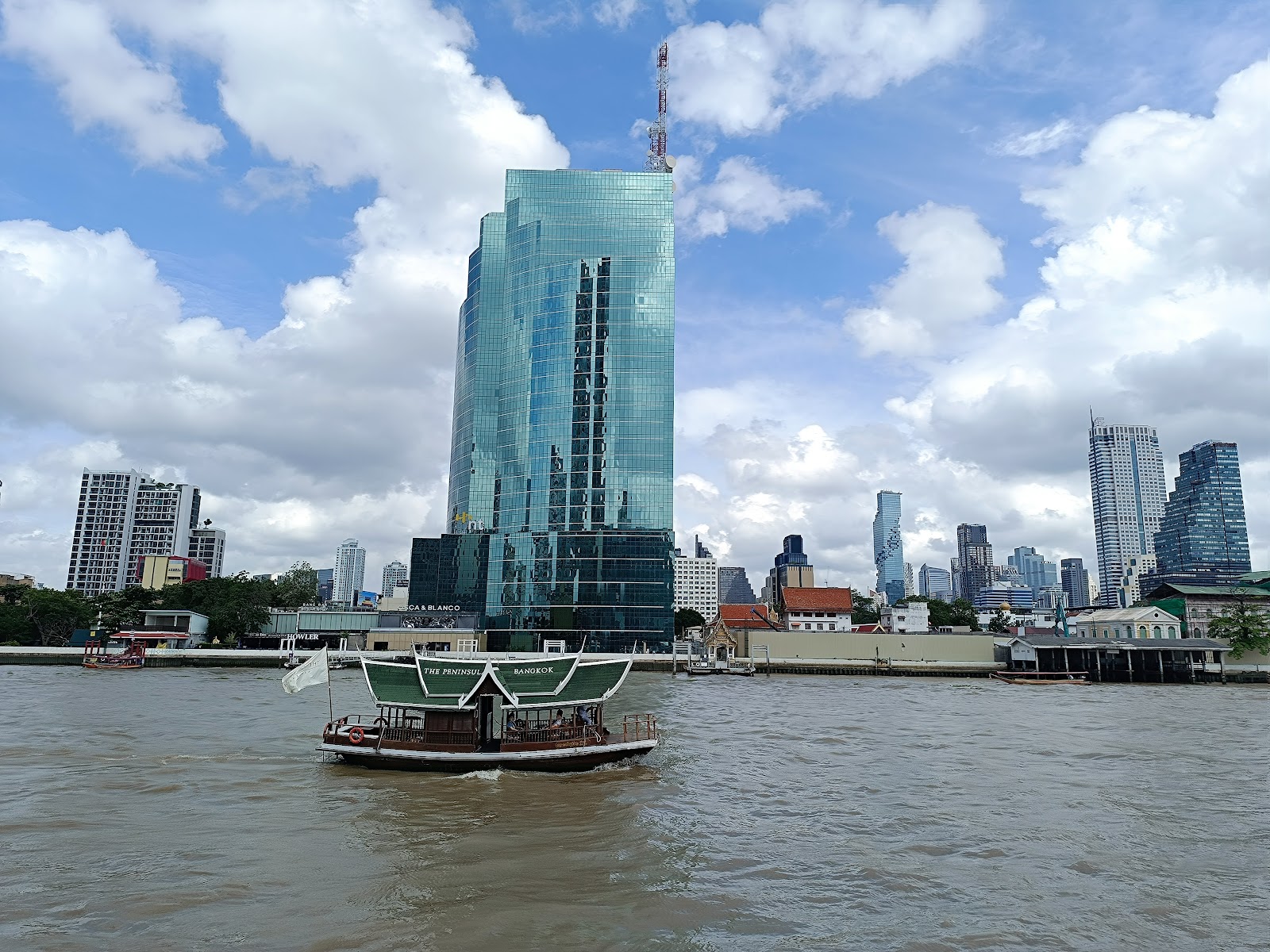
3. Air quality can be poor
The UK government's travel advice warns that large Thai cities, including Bangkok, can have high levels of air pollution, and that they are also affected by seasonal regional smoke haze from the burning of crops and forest. Particulate levels sometimes reach dangerous levels, which can worsen asthma and other respiratory conditions. In December 2019, for example, the Tourism Authority of Thailand advised visitors to take precautions after the Bangkok Metropolitan Administration reported fine-particle (PM2.5) levels above safe limits in several districts.
Thailand's official measure is the Air Quality Index published by the Pollution Control Department on its Air4Thai website and app. It runs on five color-coded levels, from 0 to 201 and above. An index of 100 equals the national air quality standard; above 100, pollution is over the standard and starts to affect health.
What helps:
- Check Air4Thai, which has monitoring stations across Bangkok, before planning a day outdoors.
- When the index is high, Air4Thai advises cutting back on strenuous outdoor exercise and wearing a PM2.5 protective mask outdoors, especially for people with heart or lung conditions.
- Keep indoor alternatives in your plan, and bring any inhalers or medication you normally use.
4. Scams and petty crime
Most visits pass without trouble, and the UK government notes that violent crime rarely involves tourists. The problems visitors do meet are mostly opportunistic:
- The gem and tailor detour. A friendly stranger or a driver offers a very cheap ride, says a sight is closed today, or promises a special one-day gem sale. The Tourism Authority of Thailand says street touts promising gem deals that will make you rich are almost always running a scam. Check opening times on official sites and insist on your own destination.
- Bag snatching and pickpocketing. The UK advice warns about bag-snatchers on motorbikes and asks travelers to take care of belongings in open vehicles like tuk-tuks and to avoid sleeping on buses and trains.
- Card skimming. Use ATMs inside banks, and keep your card in sight when you pay.
- Too-good-to-be-true job offers. The UK advice also warns of bogus overseas job offers that lead people into forced scam work in neighboring countries. This affects job seekers rather than tourists, but it is worth knowing.
If something goes wrong, call the Tourist Police on 1155. Their free app has an SOS button and a live chat in English, Chinese, Japanese, Korean and Russian, according to the Tourism Authority of Thailand.
5. Rain and street flooding
The rainy season generally runs from May to October, according to the UK government, and periods of intense rain can happen across Thailand. Bangkok sits on the low-lying Chao Phraya delta, only a meter or two above sea level, so a heavy downpour can leave streets under water for a while and bring traffic to a crawl.
What helps: keep afternoons flexible in the wet season, carry a compact umbrella, give yourself extra time for airport runs, and follow the Thai Meteorological Department for weather warnings.
6. Smaller trade-offs
- Mosquito-borne illness. The UK government lists dengue among the health risks in Thailand, so use insect repellent. Check your own country's travel-health advice before you go.
- Crowds. The best-known sights are busy. Arriving at opening time, or visiting on weekdays, makes a real difference.
- Distances. Bangkok covers more than 1,500 square kilometers, and sights are spread across several districts, so trying to see everything in a day or two means a lot of time in transit.
So is Bangkok worth it?
For most travelers, yes. The same city that is hot, crowded and congested also has a large rail network, river boats that bypass the traffic, some of the region's great temples and museums, and a food scene that ranges from street stalls to MICHELIN-starred restaurants. The downsides are mostly about timing: start early, use rail and river, check the air and the weather, and keep your wits about you around unsolicited offers. Start planning with our guides to Bangkok attractions and Bangkok restaurants.
Sources: UK Foreign, Commonwealth and Development Office: Thailand travel advice, Pollution Control Department: Air4Thai, Tourism Authority of Thailand: air quality advisory, Tourism Authority of Thailand: gem buying tips, Tourism Authority of Thailand: Tourist Police app, Bangkok (Wikipedia), for Thai Meteorological Department climate normals. Checked September 26, 2026.
Generally, yes. The UK government notes that violent crime rarely involves tourists. The common problems are scams, pickpocketing, bag snatching and card skimming, plus road safety. Call the Tourist Police on 1155 if you need help.
April. Thai Meteorological Department normals for 1991 to 2020 give an average high of 35.7°C and an average daily mean of 30.7°C. December is the coolest month, with an average low of 23.2°C.
Generally from May to October, according to the UK government travel advice, though intense rain can fall at other times.
Use Air4Thai, the Pollution Control Department website and app. Thailand's AQI runs from 0 to 201 and above in five levels; above 100, air pollution exceeds the national standard and starts to affect health.
Use the BTS Skytrain, the MRT and the Chao Phraya Express Boat instead of taxis at rush hour, and choose a hotel close to a station or pier.
The gem and shopping detour: a stranger or driver says a sight is closed, offers a very cheap ride, or promises a special gem sale. The Tourism Authority of Thailand says such gem offers are almost always a scam.
Call 1155. The Tourist Police app also offers an SOS button and live chat in English, Chinese, Japanese, Korean and Russian.