What does Bangkok mean? The honest answer is that nobody knows for certain. "Bang" is a Thai word for a village on a stream, and the most common explanation is that Bangkok was once Bang Makok, the "village of the makok", a tree with olive-like fruit that grew along the Chao Phraya River. Another theory links it to Bang Ko, "village on an island". Thais, meanwhile, rarely call the city Bangkok at all: its official Thai name is Krung Thep Maha Nakhon, usually translated as "City of Angels".
So the city really has two names with two different meanings: an old, informal village name that foreigners adopted, and a formal royal name that Thais use every day.
Bangkok: the village name
Bangkok began as a village on the west bank of the Chao Phraya, under the kingdom of Ayutthaya, at least as early as the 15th century. It grew into a customs post and fortified town near the mouth of the river. Its official name at that time was Thonburi, but Bangkok seems to have been the everyday name, and it was the one foreign traders and visitors wrote down and kept using.
Bang Makok: the olive-like tree
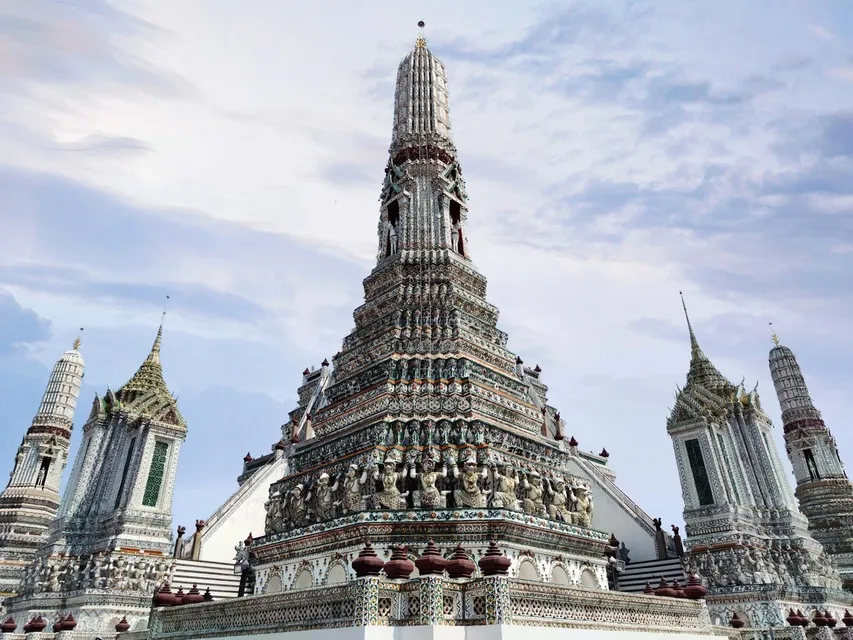
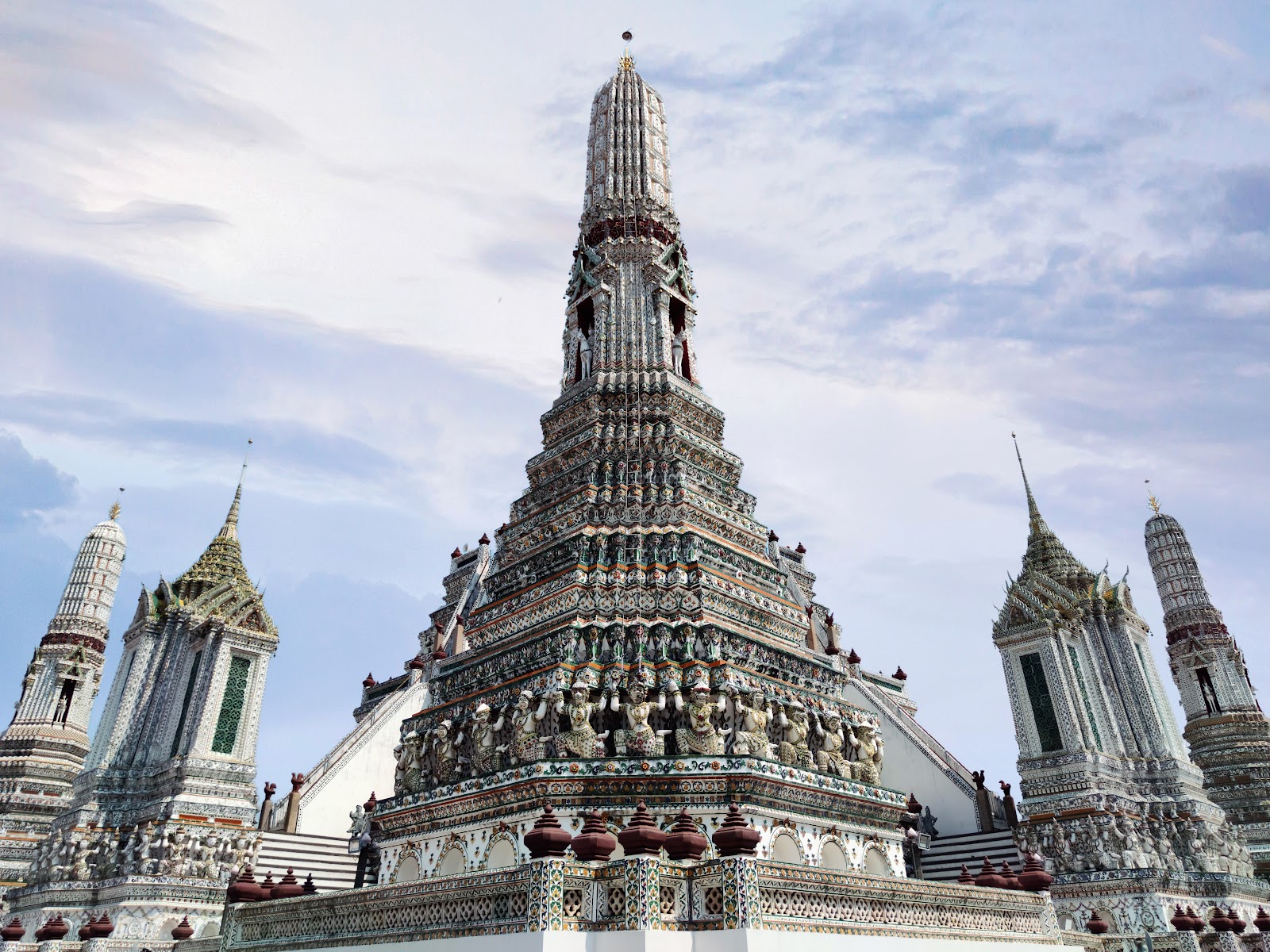
The makok theory has the most support. Makok is the Thai name for Elaeocarpus hygrophilus, a waterside tree with small fruit that looks like an olive, which is why you will often read that Bangkok means "village of wild olives" or "wild plums". Supporters point to Wat Arun, the riverside temple on the Thonburi bank, whose earlier name was Wat Makok.
Bang Ko: the island village
The alternative is that the name comes from Bang Ko, with "ko" meaning island. That would reflect the landscape of the old delta, where canals and river bends cut the land into islands. Both explanations fit a riverside settlement, and there is no document that settles the question.
If you want to see the river that shaped the name, our page on the river that runs through Bangkok explains the Chao Phraya and its boats.
Krung Thep Maha Nakhon: the royal name
When King Rama I moved the capital to the east bank of the river in 1782, the new city inherited a ceremonial name from Ayutthaya. The full ceremonial name came into use in the reign of King Mongkut, and it is famously long:
Krung Thep Maha Nakhon Amon Rattanakosin Mahintharayutthaya Mahadilok Phop Noppharat Ratchathani Burirom Udomratchaniwet Mahasathan Amon Phiman Awatan Sathit Sakkathattiya Witsanukam Prasit
Built from Pali and Sanskrit roots, it is usually translated along these lines: the city of angels, great city of immortals, magnificent city of the Nine Gems, seat of the King, city of royal palaces, home of gods incarnate, built by Vishvakarman at Indra's command. Guinness World Records lists it as the world's longest place name.
In daily life Thais shorten it to Krung Thep Maha Nakhon, or simply Krung Thep, and in writing often to the initials Kor Tor Mor. "Krung" means capital, and "thep" comes from the Pali and Sanskrit "deva", a deity, which is where the English "City of Angels" comes from. Our explainer on why Bangkok is called the City of Angels goes into that nickname, and how to say Bangkok in Thai covers the pronunciation.
Where you can see the name's history
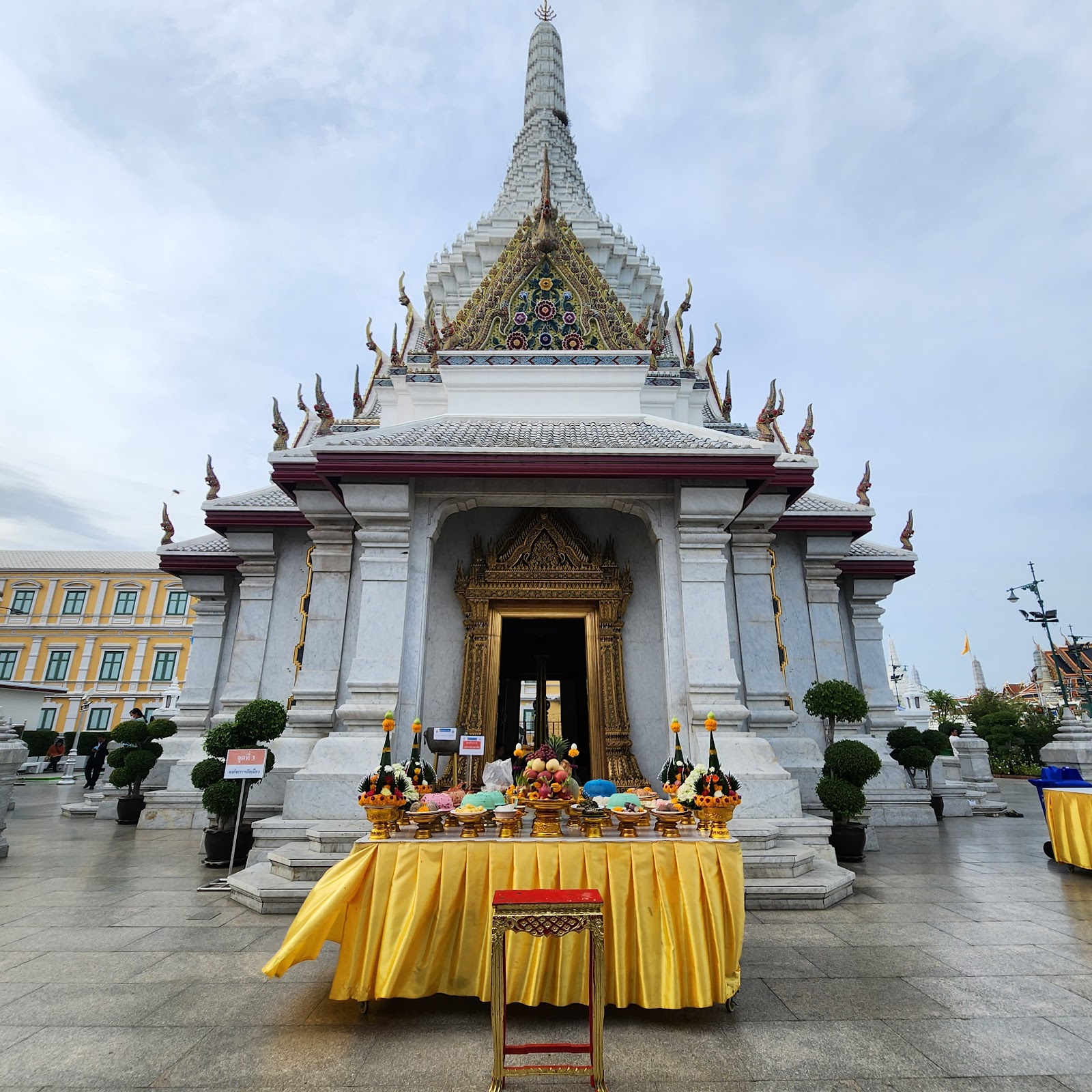
The places tied to the founding of the royal capital are all in the Old City, on Rattanakosin Island:
- The City Pillar Shrine (Lak Mueang), one of the primary symbols of the city's founding, on Lak Mueang Road in the same Old City neighborhood as the Grand Palace.
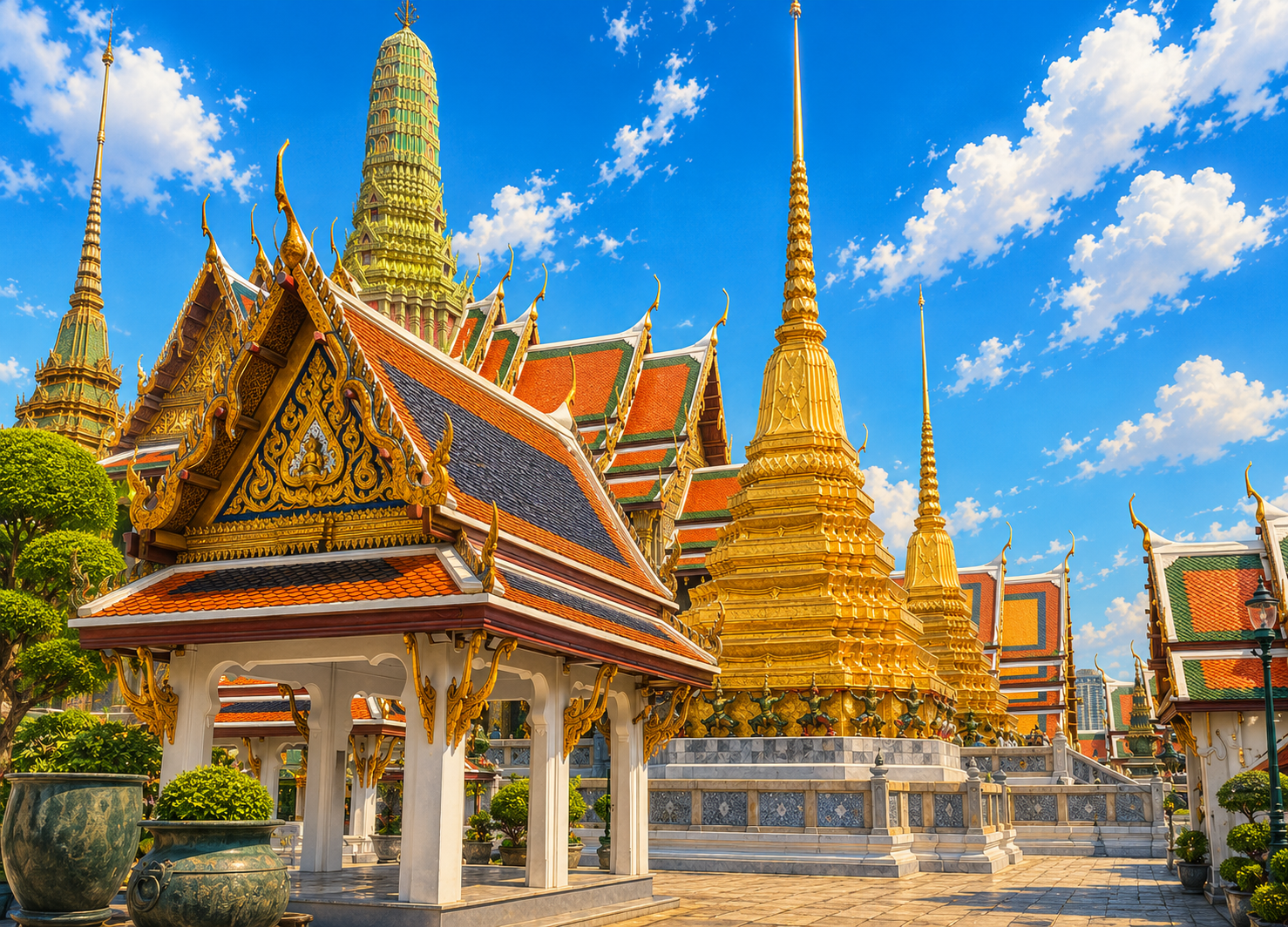
- The Grand Palace, the royal seat that gives the ceremonial name its "city of royal palaces".
- Wat Arun, across the river, the former Wat Makok.
- The Bangkok National Museum, for the wider history of the Ayutthaya and Rattanakosin eras.
The city seal also carries the royal meaning: it shows the god Indra riding his elephant Airavata among clouds, with Krung Thep Maha Nakhon written in Thai across the top.
Which name should visitors use?
Either works. Bangkok is the name used on international flights, maps and in English, and Thais understand it. Krung Thep is what you will hear from Thai speakers and see on Thai signs and train destination boards, so it is worth recognizing. For more background on the city's status, see what province Bangkok is in.
Sources: Bangkok (Wikipedia, name and history sections, citing the Royal Institute and Guinness World Records). Checked September 26, 2026.
Its origin is uncertain. "Bang" means a village on a stream. The most widely cited theory is that the name is short for Bang Makok, "village of the makok", a tree with olive-like fruit; another is Bang Ko, "island village".
Krung Thep Maha Nakhon, usually shortened to Krung Thep. It is a shortened form of a much longer ceremonial name.
"Krung" means capital and "thep" comes from the Pali and Sanskrit word for a deity, so Krung Thep is usually translated as "City of Angels".
Guinness World Records lists the ceremonial name as the world's longest place name, at 168 letters in its romanized form.
Bangkok was the everyday name of the riverside town before it became the capital, and foreign visitors kept using it. When the royal capital was founded in 1782, it took a ceremonial name that became Krung Thep Maha Nakhon, which Thais use today.
Yes, indirectly. Wat Arun's earlier name was Wat Makok, which supports the theory that Bangkok comes from Bang Makok.