Why do people visit Bangkok? For a combination few cities match: royal palaces and working temples, one of the world's great street food cultures, huge markets and malls, a river you can travel for a few dozen baht, and prices that stay modest by big-city standards. That mix has made Bangkok the most visited city on earth. Euromonitor International's Top 100 City Destinations Index 2025 ranked it first, with 30.3 million international arrivals, the highest of any city.
Here are the main reasons travelers keep choosing Bangkok, and what each looks like on the ground.
Is Bangkok really the most visited city in the world?
By international arrivals, yes. The Tourism Authority of Thailand reported in December 2025 that Euromonitor's 2025 index placed Bangkok first worldwide with 30.3 million international arrivals. It is not a one-off: Mastercard's Global Destination Cities Index also ranked Bangkok as the top city for international overnight visitors in 2016. Bangkok is also Thailand's main air gateway, so many trips to the beaches and the north start and end here.
1. Temples and royal history
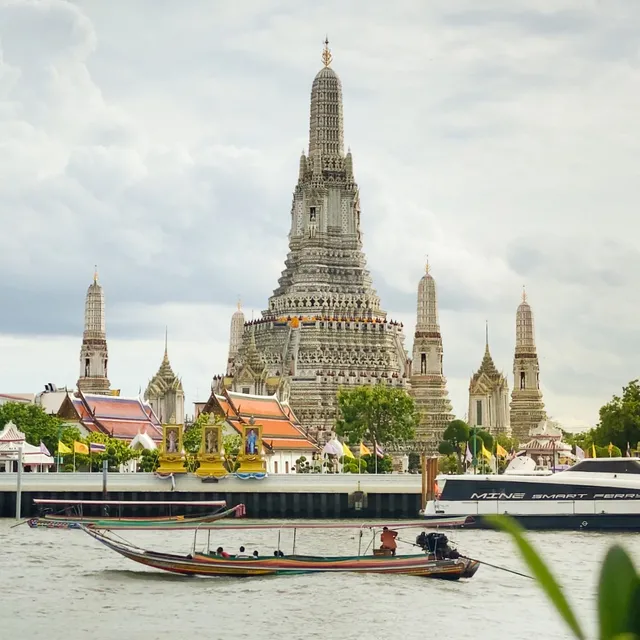
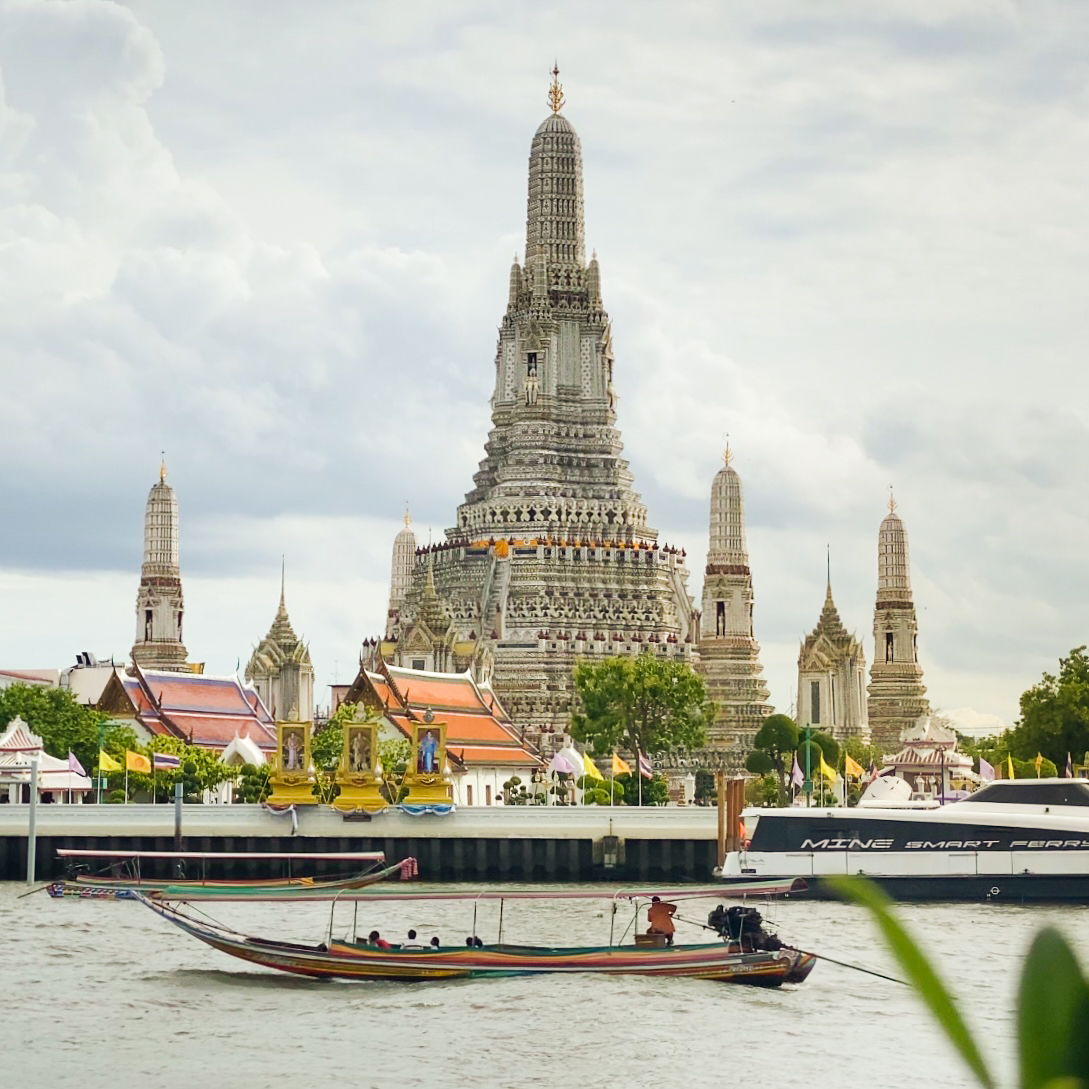
The Grand Palace has been the official residence of the Kings of Siam, and later Thailand, since 1782, and its grounds hold Wat Phra Kaew, the Temple of the Emerald Buddha. Next door, Wat Pho houses a gilded Reclining Buddha 46 meters long. Across the Chao Phraya, Wat Arun rises above the river on the Thonburi bank. These are active religious sites, not museums, which is much of their appeal: you share them with worshippers bringing flowers and incense.
2. Food, from street stalls to MICHELIN stars
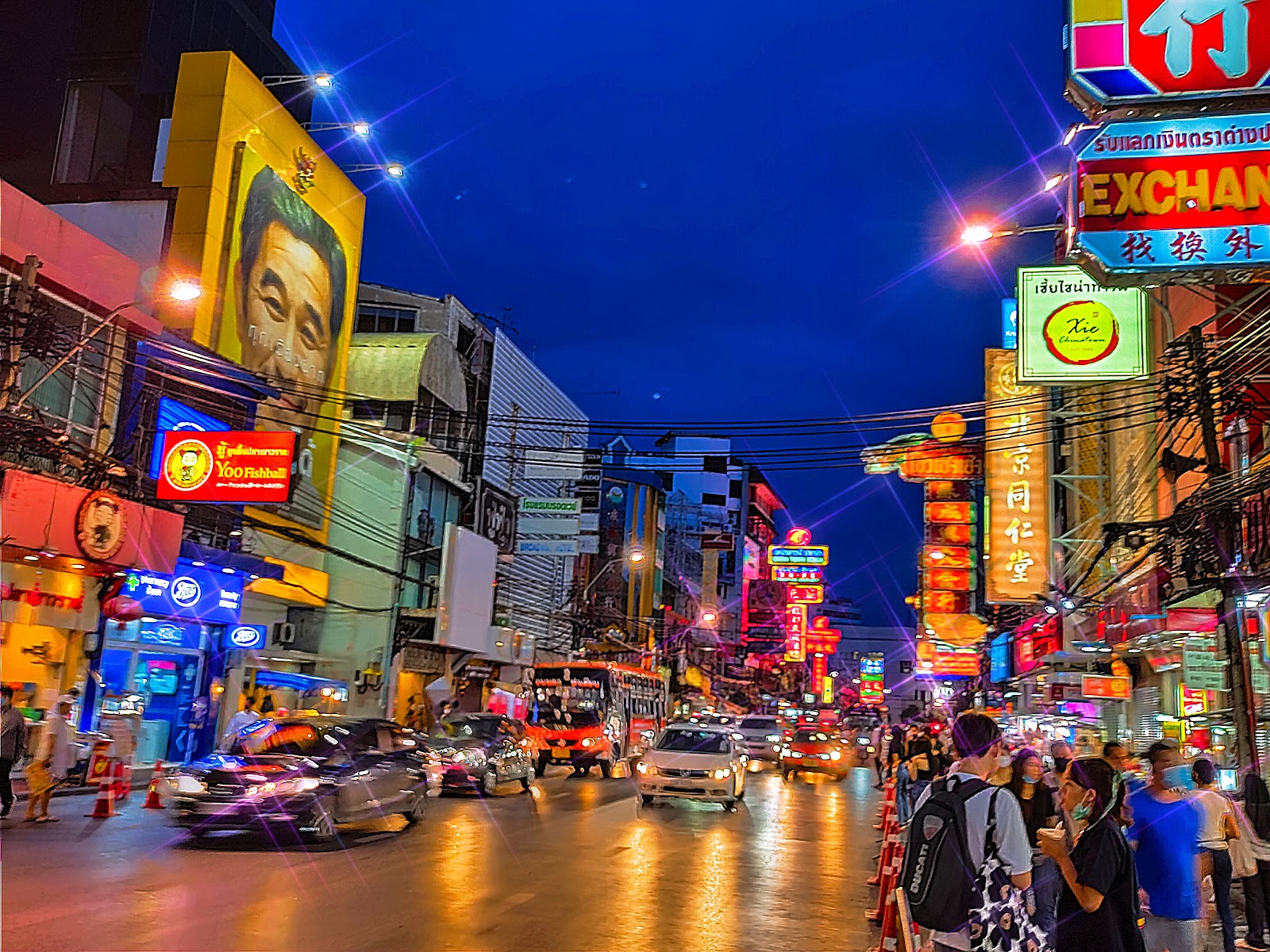
For many visitors, food is the main reason to come. Bangkok's range runs from street stalls and night markets to tasting menus, and the MICHELIN Guide covers the whole span. Raan Jay Fai, a street-food shop in the Old City, holds one MICHELIN Star, and the guide's current Bangkok Bib Gourmand list names 38 good-value places, many of them noodle shops and street food vendors. Chinatown's Yaowarat Road is known for its street food after dark. See our Bangkok restaurant guide for more.
3. Markets and shopping
Bangkok shops at every level. Chatuchak Weekend Market, which a 2026 Travelbag study highlighted by the Tourism Authority of Thailand named the world's leading night-market destination, fills a weekend with clothing, homeware, plants and food. At the other end of the scale, riverside ICONSIAM and the malls around Siam gather global luxury labels, and Pratunam is one of the biggest clothing wholesale districts in the country.
4. The river and the canals
The Chao Phraya River ties many of the main sights together, and riding it is cheap: the Chao Phraya Express Boat's Orange Line charges a flat 18 baht. Boats stop at Tha Tien for Wat Pho and Tha Chang for the Grand Palace, and cross-river ferries connect to Wat Arun. Many of Bangkok's best-known hotels sit on the river, which is why a riverside stay is often part of the plan; our Bangkok hotel guide covers them.
5. Value for money
Bangkok delivers a lot for relatively little. The Grand Palace ticket is 500 baht and Wat Pho's is 300 baht. Lumphini Park, the Erawan Shrine and the Bangkok Art and Culture Centre are free. A 60-minute traditional Thai massage at the Wat Pho massage school costs 520 baht at its published rates. The city also has luxury hotels and fine dining for travelers who want them, but visiting Bangkok does not require a big budget.
6. Wellness and Thai massage
Wat Pho has taught traditional Thai medicine and massage since its school opened inside the temple in 1955, and Thai massage and spa culture remain a draw across the city, from temple courses to hotel spas.
7. Art, culture and festivals
Bangkok's culture scene extends well beyond the temples. The Bangkok Art and Culture Centre shows contemporary art free of charge, Jim Thompson House preserves a collection of traditional Thai houses and Asian art, and from October 29, 2026 to February 28, 2027 the Bangkok Art Biennale spreads works across temples, museums and malls under the theme Angels & Mara.
8. Nightlife and rooftop views
After dark, Bangkok's rooftop bars, cocktail bars and riverside restaurants give the city skyline a starring role. Our Bangkok nightlife guide lists bars by neighborhood.
When to go
The cool season, roughly November to February, is the most comfortable time to visit. March to May is the hottest period, and the rainy season runs roughly from June to October, when heavy showers and occasional flooding can slow road travel. Rail lines and river boats keep moving when roads are congested.
Sources: Tourism Authority of Thailand: Euromonitor 2025, Tourism Authority of Thailand newsroom, The Grand Palace, Wat Pho, MICHELIN Guide: Jay Fai, MICHELIN Guide: Bangkok Bib Gourmand, Tourism Authority of Thailand: Travelbag study, Chao Phraya Express Boat, Tourism Authority of Thailand: Bangkok Art Biennale 2026. Checked September 26, 2026.
Yes, by international arrivals. Euromonitor International's Top 100 City Destinations Index 2025 ranked Bangkok first with 30.3 million international arrivals, as reported by the Tourism Authority of Thailand in December 2025.
Its mix of royal palaces and temples, street food and MICHELIN-listed restaurants, markets and malls, river travel and good value for money, plus its role as Thailand's main gateway for trips to the islands and the north.
The Grand Palace and Wat Phra Kaew, Wat Pho's Reclining Buddha, Wat Arun on the river, street food in areas such as Chinatown, and Chatuchak Weekend Market.
The Grand Palace, including Wat Phra Kaew, costs 500 baht for foreign visitors, and Wat Pho costs 300 baht, according to their official websites in September 2026.
The cool season, roughly November to February, is the most comfortable. March to May is the hottest period, and the rainy season runs roughly from June to October.
Not compared with many major cities. Key sights cost a few hundred baht, several parks and galleries are free, and a river express boat ride is 18 baht, though luxury hotels and fine dining are available for those who want them.