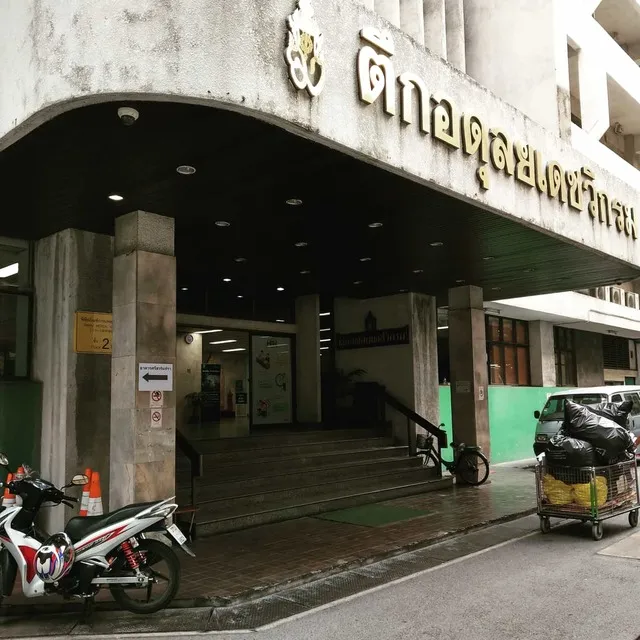
Siriraj Medical Museum
About
Siriraj Medical Museum is the teaching collection of Siriraj Hospital, Thailand's first royal hospital, opened to the public on the hospital grounds in Bangkok Noi, on the Thonburi side of the Chao Phraya. It gathers several teaching collections under one name, in pathology, parasitology, forensic medicine and anatomy, arranged to explain the human body and its diseases.
It suits visitors with a serious interest in medicine, science or Bangkok's institutional history, and anyone who wants a museum that feels like a working part of the city rather than a showcase. Much of what is on display is real human tissue, and the museum presents it as a donation to be respected. The hospital sits by the river opposite the old royal quarter, and the museum's own directions favor boats and cross-river ferries over the road.
What the collections cover
The Ellis Pathological Museum, named after Professor A. G. Ellis, who laid the foundations of pathology in Thailand, recreates an early pathology laboratory and explains heart disease, congenital conditions and the cancers most common in Thailand. The Parasitology Museum covers parasites and venomous animals, with life cycles and prevention. The Songkran Niyomsane Forensic Medicine Museum traces the development of forensic medicine through evidence from closed cases, including the identification work after the 2004 tsunami.
The Congdon Anatomical Museum holds more than 2,000 specimens collected by Professor Edgar Davidson Congdon and Professor Sood Sangvichien, including whole-body preparations of the nervous and arterial systems by Professor Patai Sirikarun.
Visiting with care
The museum says most of its medical specimens are real, and it bans photography as a matter of human rights and respect for the donors. Expect clinical displays rather than dramatic ones, and plan the visit accordingly if you are traveling with children or anyone who may find human remains difficult; the museum does not publish an age limit.
The hospital's own story
King Chulalongkorn (Rama V) founded the hospital in the Wang Lang area and named it Siriraj after his young son, who died of dysentery at about eighteen months old. It opened on 26 April 1888, and the Royal Medical College began teaching there two years later.
Getting there
From the Old City side, the museum lists cross-river ferries from Tha Chang, the pier beside the Grand Palace, as well as from Tha Phra Chan and Tha Maharaj, all landing at Wang Lang. The orange, green and yellow flag Chao Phraya Express Boats stop at Thonburi Railway Station Pier. There is no visitor parking on site.
Siriraj Bimuksthan Museum
The same museum unit runs Siriraj Bimuksthan Museum in the conserved buildings of the old Thonburi Railway Station, on land given to the hospital by the State Railway of Thailand. It covers the Bangkok Noi waterfront, the Rear Palace that once stood here, the southern railway, the hospital's founding and traditional Thai medicine, and a large storage building holds an ancient ship. The base of a Rear Palace fort survives outside. Photography is allowed there except in the Boranraja Sastra room, and one published ticket covers both museums.
Sources: Siriraj Museum, visitor information, Siriraj Medical Museum, museum FAQ, history, Siriraj Bimuksthan Museum, contact and travel. Checked September 26, 2026.
Contact Information
Bangkok, 10700
Photo: 篠田善雄 via Google
Siriraj Medical Museum
About Siriraj Medical Museum
Siriraj Medical Museum is the teaching collection of Siriraj Hospital, Thailand's first royal hospital, opened to the public on the hospital grounds in Bangkok Noi, on the Thonburi side of the Chao Phraya. It gathers several teaching collections under one name, in pathology, parasitology, forensic medicine and anatomy, arranged to explain the human body and its diseases.
It suits visitors with a serious interest in medicine, science or Bangkok's institutional history, and anyone who wants a museum that feels like a working part of the city rather than a showcase. Much of what is on display is real human tissue, and the museum presents it as a donation to be respected. The hospital sits by the river opposite the old royal quarter, and the museum's own directions favor boats and cross-river ferries over the road.
What the collections cover
The Ellis Pathological Museum, named after Professor A. G. Ellis, who laid the foundations of pathology in Thailand, recreates an early pathology laboratory and explains heart disease, congenital conditions and the cancers most common in Thailand. The Parasitology Museum covers parasites and venomous animals, with life cycles and prevention. The Songkran Niyomsane Forensic Medicine Museum traces the development of forensic medicine through evidence from closed cases, including the identification work after the 2004 tsunami.
The Congdon Anatomical Museum holds more than 2,000 specimens collected by Professor Edgar Davidson Congdon and Professor Sood Sangvichien, including whole-body preparations of the nervous and arterial systems by Professor Patai Sirikarun.
Visiting with care
The museum says most of its medical specimens are real, and it bans photography as a matter of human rights and respect for the donors. Expect clinical displays rather than dramatic ones, and plan the visit accordingly if you are traveling with children or anyone who may find human remains difficult; the museum does not publish an age limit.
The hospital's own story
King Chulalongkorn (Rama V) founded the hospital in the Wang Lang area and named it Siriraj after his young son, who died of dysentery at about eighteen months old. It opened on 26 April 1888, and the Royal Medical College began teaching there two years later.
Getting there
From the Old City side, the museum lists cross-river ferries from Tha Chang, the pier beside the Grand Palace, as well as from Tha Phra Chan and Tha Maharaj, all landing at Wang Lang. The orange, green and yellow flag Chao Phraya Express Boats stop at Thonburi Railway Station Pier. There is no visitor parking on site.
Siriraj Bimuksthan Museum
The same museum unit runs Siriraj Bimuksthan Museum in the conserved buildings of the old Thonburi Railway Station, on land given to the hospital by the State Railway of Thailand. It covers the Bangkok Noi waterfront, the Rear Palace that once stood here, the southern railway, the hospital's founding and traditional Thai medicine, and a large storage building holds an ancient ship. The base of a Rear Palace fort survives outside. Photography is allowed there except in the Boranraja Sastra room, and one published ticket covers both museums.
Sources: Siriraj Museum, visitor information, Siriraj Medical Museum, museum FAQ, history, Siriraj Bimuksthan Museum, contact and travel. Checked September 26, 2026.
Frequently Asked Questions
Things to do in Bangkok
BangkokVacay may earn a commission from Klook bookings made through this box, at no extra cost to you.