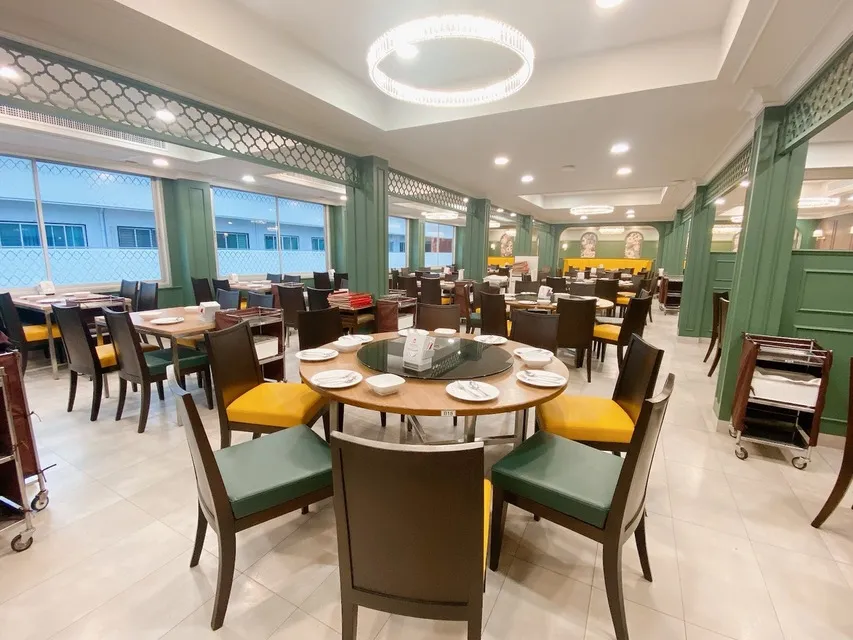
How much should you tip in Bangkok? Less than you might expect. Tipping is not a fixed custom in Thailand, and there is no official rate. Many hotel restaurants and upscale restaurants already add a 10% service charge, so an extra tip there is optional. In casual places, rounding up the bill or leaving your small change is the usual gesture.
The more useful thing to understand is the "++" on Bangkok menus, which can add far more to a bill than any tip. This guide explains how it works, then goes through tipping norms by situation. Treat the norms as common practice, not rules.
What "++" means on a Bangkok bill
When a menu price is followed by "++", two charges will be added: a service charge, usually 10%, and value added tax (VAT). Thailand's Revenue Department sets the general VAT rate at 7%.
Restaurants say this on their menus and booking pages. Potong in Chinatown, for example, lists its tasting menu at THB 6,700++ and notes that the price does not include 7% VAT and a 10% service charge. Sirocco, the open-air restaurant at lebua, states that all prices exclude a 10% service charge and 7% VAT.
On most bills the service charge is added first and VAT is then calculated on the new subtotal, so "++" usually adds a little under 18% in total. As a rough guide, a THB 1,000++ dish would come to about THB 1,177. Look at the bottom of the menu before you order; if you see "net" instead, the price already includes everything.
Tipping in restaurants
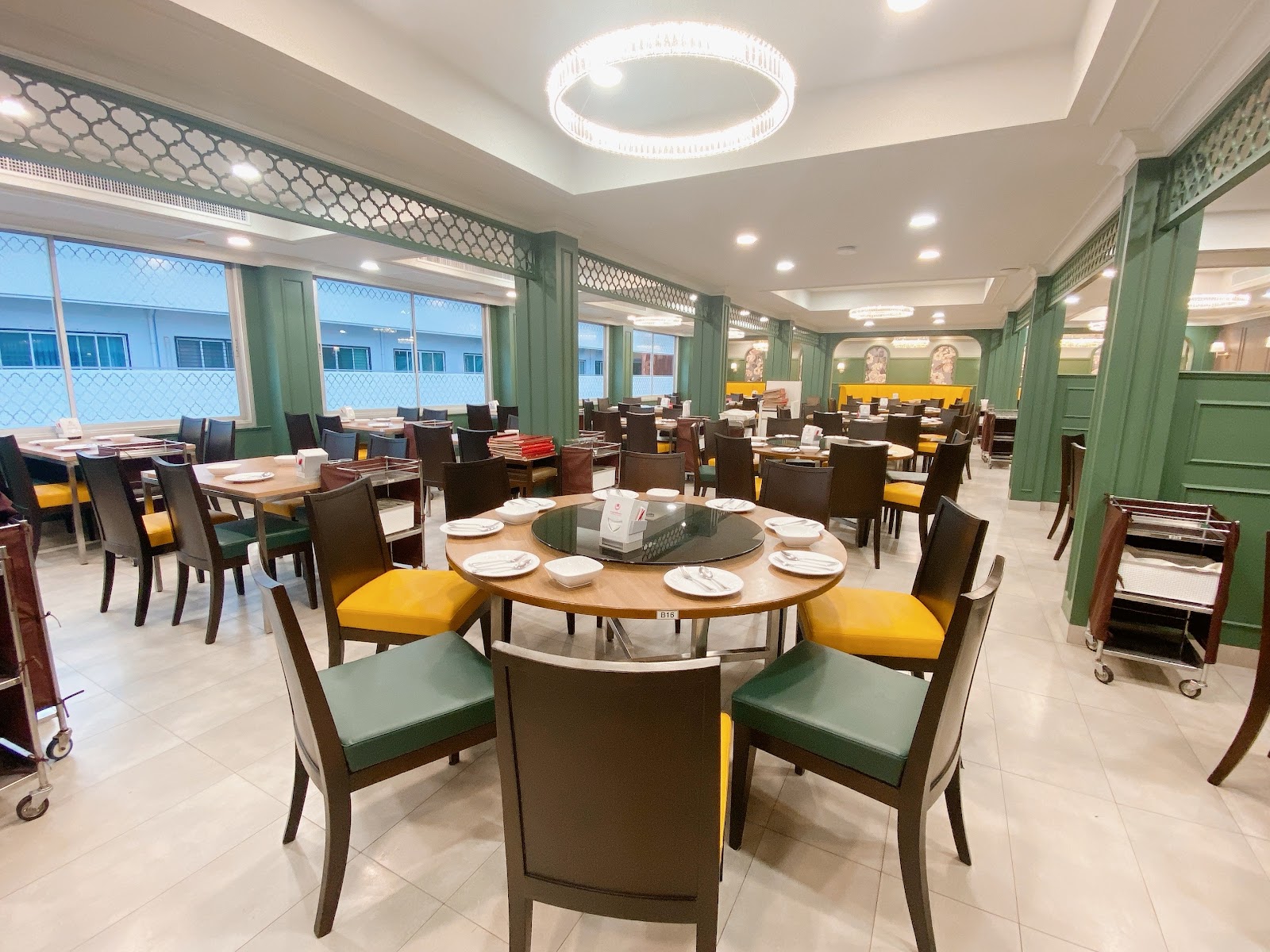
- Where a service charge is on the bill: you have paid for service. A further tip is optional; some diners leave the coins from their change or a small note for exceptional service.
- Casual restaurants and shophouses without a service charge: tipping is not expected. Rounding up or leaving small change is a common courtesy.
- Street food and market stalls: no tip is expected. Pay the price asked.
If you want your tip to reach the staff who served you, leave it in cash rather than adding it to a card payment. Carry small notes for the purpose, and for places that take cash only; the MICHELIN Guide, for example, lists Raan Jay Fai as cash only. Our Bangkok restaurants guide notes booking and payment details for each listing where the restaurant publishes them.
Tipping at hotels
Hotel restaurant bills are often quoted "++", as at Sirocco above, and some room rates are too, so check the booking terms. Beyond that, small cash tips are a common gesture rather than an obligation:
- Porters and bell staff: a small note when they bring your bags up is a common courtesy.
- Housekeeping: some guests leave a small note in the room at the end of the stay, clearly marked for housekeeping so it isn't mistaken for forgotten money.
- Concierge: a tip is not expected for directions, but guests sometimes tip for hard-to-get reservations or extra effort.
If you're still choosing where to stay, our Bangkok hotels guide covers properties across the city.
Tipping for massages and spas
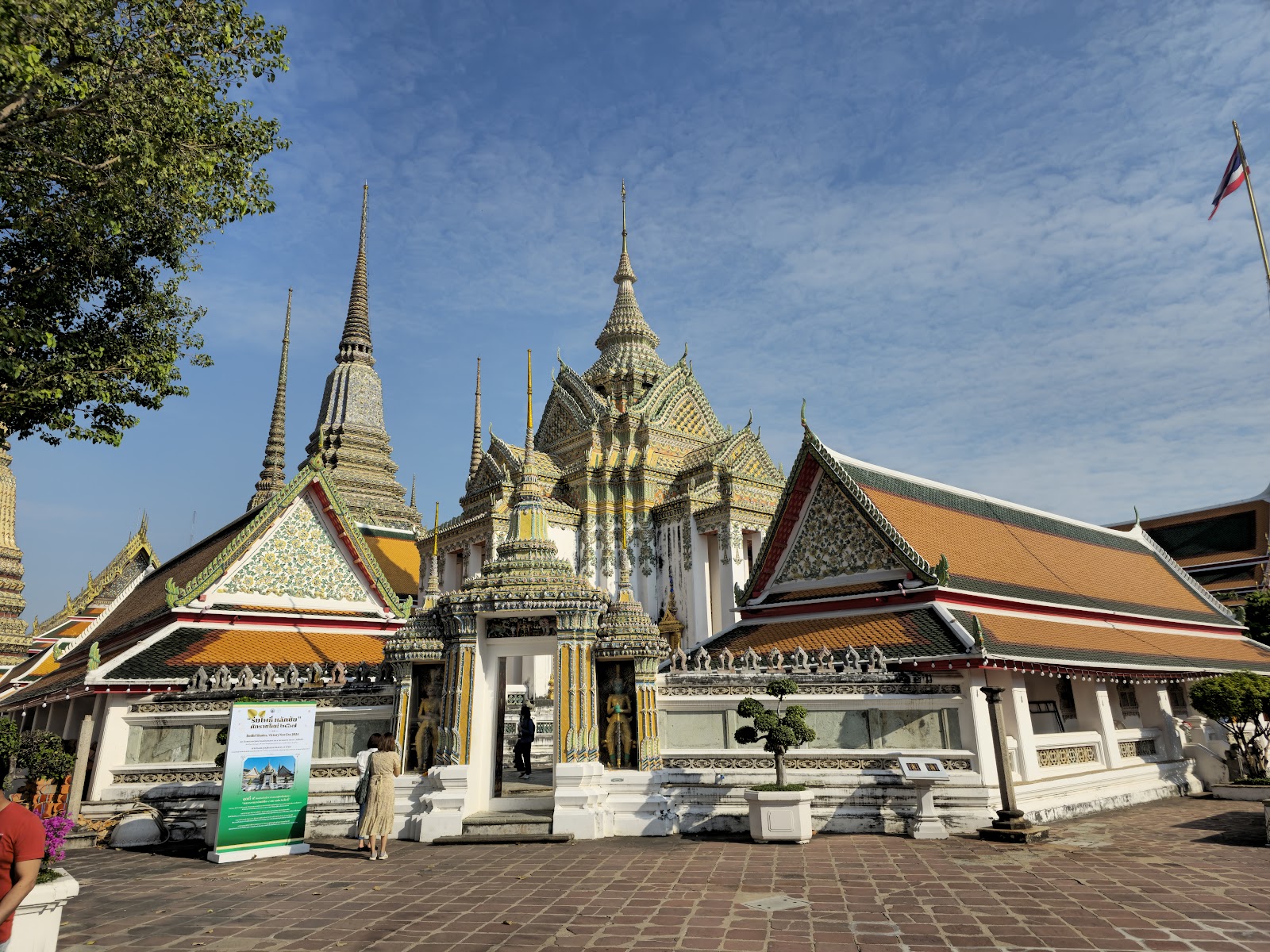
Thai massage is where visitors most often wonder about tipping. Prices at traditional massage shops are usually posted per session; at Wat Pho, home of a traditional medical and massage school, the temple publishes its rates by length of session. A tip for the therapist is not required but is widely appreciated. If you tip, give it to the therapist directly in cash. Hotel spas may add a service charge, so check your bill first.
Tipping taxis, tuk-tuks and drivers
- Metered taxis: no tip is expected. Rounding up to the nearest convenient amount is common, especially if the driver handles heavy bags.
- Tuk-tuks: the fare is agreed before you set off, and that agreed price is what you pay.
- Ride-hailing apps: the fare is shown before you book. Tipping is optional.
- Private drivers for a day: a tip at the end is a common courtesy, particularly for long days or waiting time.
Tipping tour guides
For guided tours, check what the operator says first. Some include all fees and state that there are no hidden costs; a tip for a guide who has looked after you well is still a common gesture, handed over in cash at the end. On a group tour, many guests tip individually rather than pooling.
A simple rule of thumb
Check the bill for a service charge. If there is one, a tip is optional. If there isn't, round up or leave small change for good service, and hand tips directly to the person who served you in cash. Nobody in Bangkok should make you feel that a tip is compulsory, and polite thanks, "khop khun khrap" or "khop khun kha," always goes a long way.
Sources: The Revenue Department, Value Added Tax, Potong, reservation terms, lebua, Sirocco chef's tasting menu, Wat Pho, visit plan and massage rates, MICHELIN Guide, Jay Fai. Checked September 26, 2026.
Not as a rule. There is no official tipping rate in Thailand. Many restaurants add a 10% service charge, and where they don't, rounding up or leaving small change is a common courtesy rather than an obligation.
It means a service charge, usually 10%, and 7% VAT will be added to the listed price. VAT is usually calculated after the service charge, so a THB 1,000++ item typically comes to about THB 1,177.
It is optional. Some diners leave the coins from their change or a small note for exceptional service, handed directly to the staff in cash.
Wat Pho's published rates are 340 baht for 30 minutes, 520 baht for 60 minutes and 1,040 baht for 120 minutes for Thai or foot massage, checked September 26, 2026. A tip is not required but is widely appreciated; give it to your therapist in cash.
No tip is expected on a metered fare. Many passengers round up to a convenient amount, especially when the driver helps with luggage.
The Revenue Department lists the general VAT rate as 7%, checked September 26, 2026.
Sometimes, but cash is the simplest way to make sure the tip reaches the person who served you. Some well-known places, such as Raan Jay Fai, are cash only, according to the MICHELIN Guide.