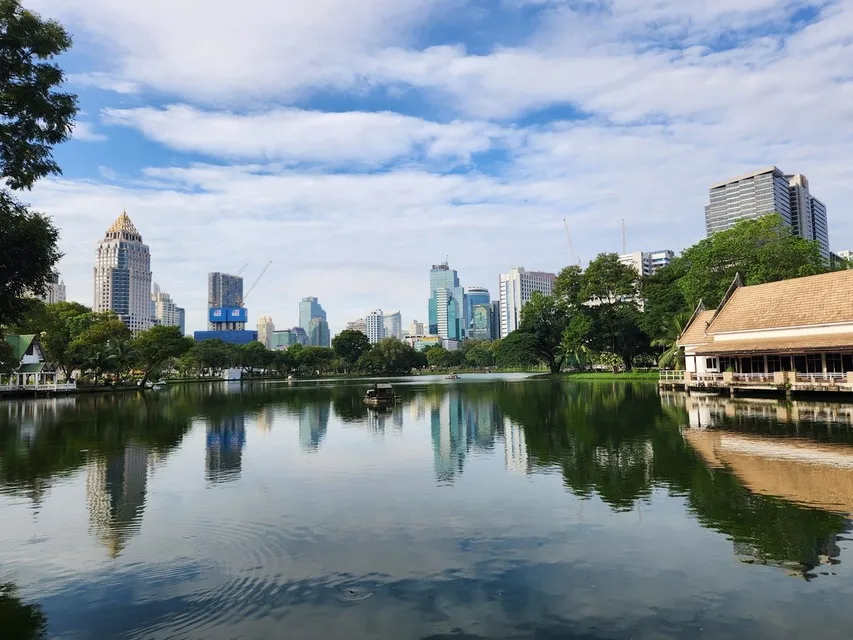
What is it like to live in Bangkok? It is life in a very large, very hot city, where the rail lines decide how easy your days are, food is everywhere and at every price, and the weather follows a clear pattern of hot, rainy and cool seasons. It suits people who like density, variety and eating out, and who are happy to plan their routines around traffic and heat. The practical questions to settle first are where to live, how you will get around, and which visa lets you stay.
This guide covers what daily life involves, with links to our more detailed guides on costs, rent and moving.
A big city, bigger than its official numbers
The National Statistical Office recorded 5,422,568 people registered in Bangkok in 2025. The real number living in the city is higher: the 2010 census, which counts people where they actually live, found 8,305,218, because many residents keep their house registration in another province. The city is divided into 50 districts, and neighboring provinces such as Nonthaburi and Samut Prakan run into it without a visible break. Our guide to how many people live in Bangkok has the full figures.
Choosing where to live
Most newcomers choose by rail line. Areas worth comparing include:
- Sukhumvit (Nana, Asok, Phrom Phong, Thong Lo, Ekkamai), a long corridor along the BTS Sukhumvit line, with the MRT interchange at Asok. See where Sukhumvit is.
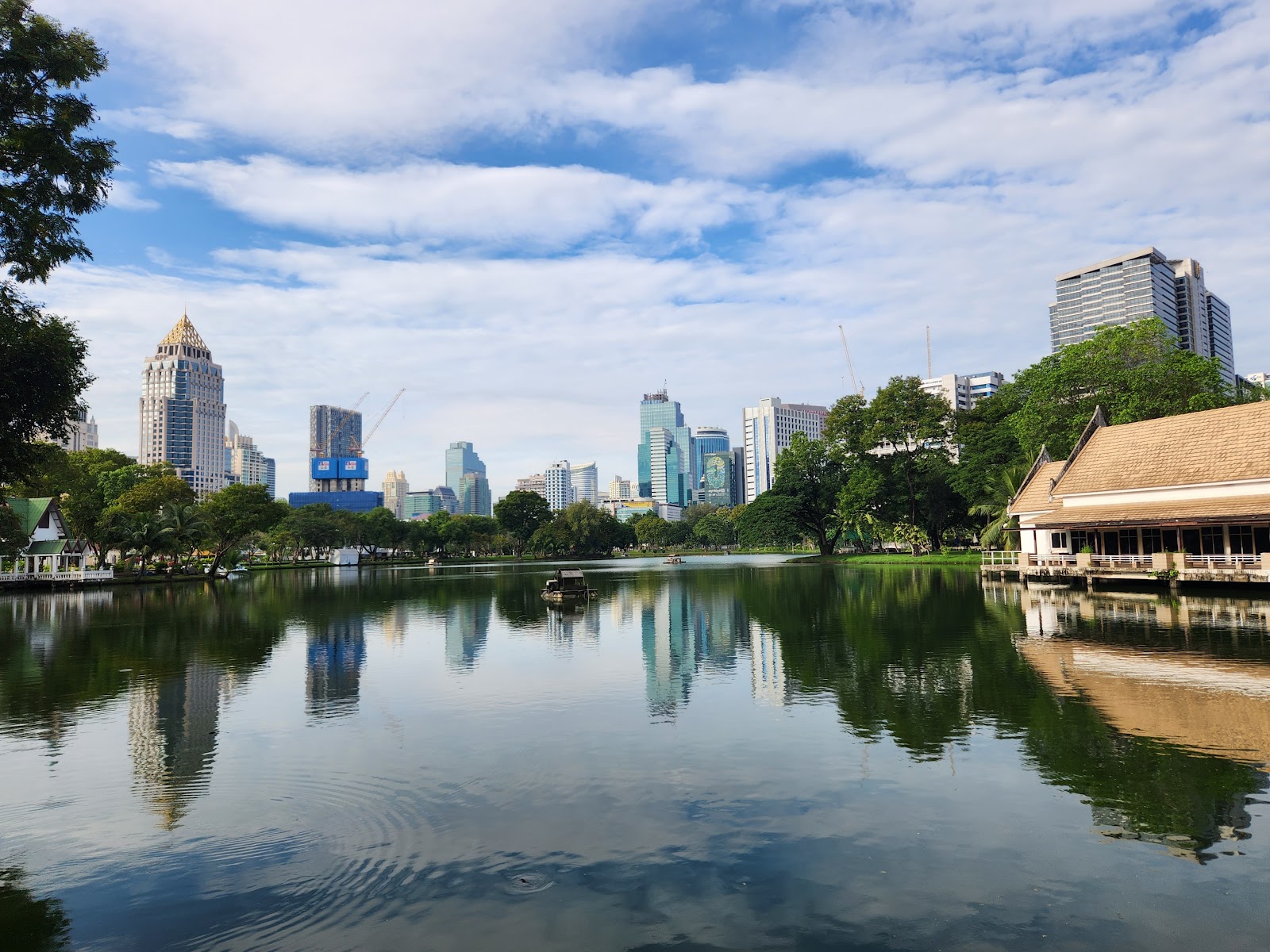
- Silom and Sathorn, the business district, served by both the BTS and the MRT and next to Lumphini Park.
- The riverside along Charoen Krung, where boats on the Chao Phraya are part of the commute.
- Ari, north on the BTS, known for local cafés, and Chatuchak, home of the weekend market.
Living within walking distance of a station matters more than almost anything else, because it lets you skip the traffic. Rents, deposits and what they include are covered in how much rent is in Bangkok.
Getting around
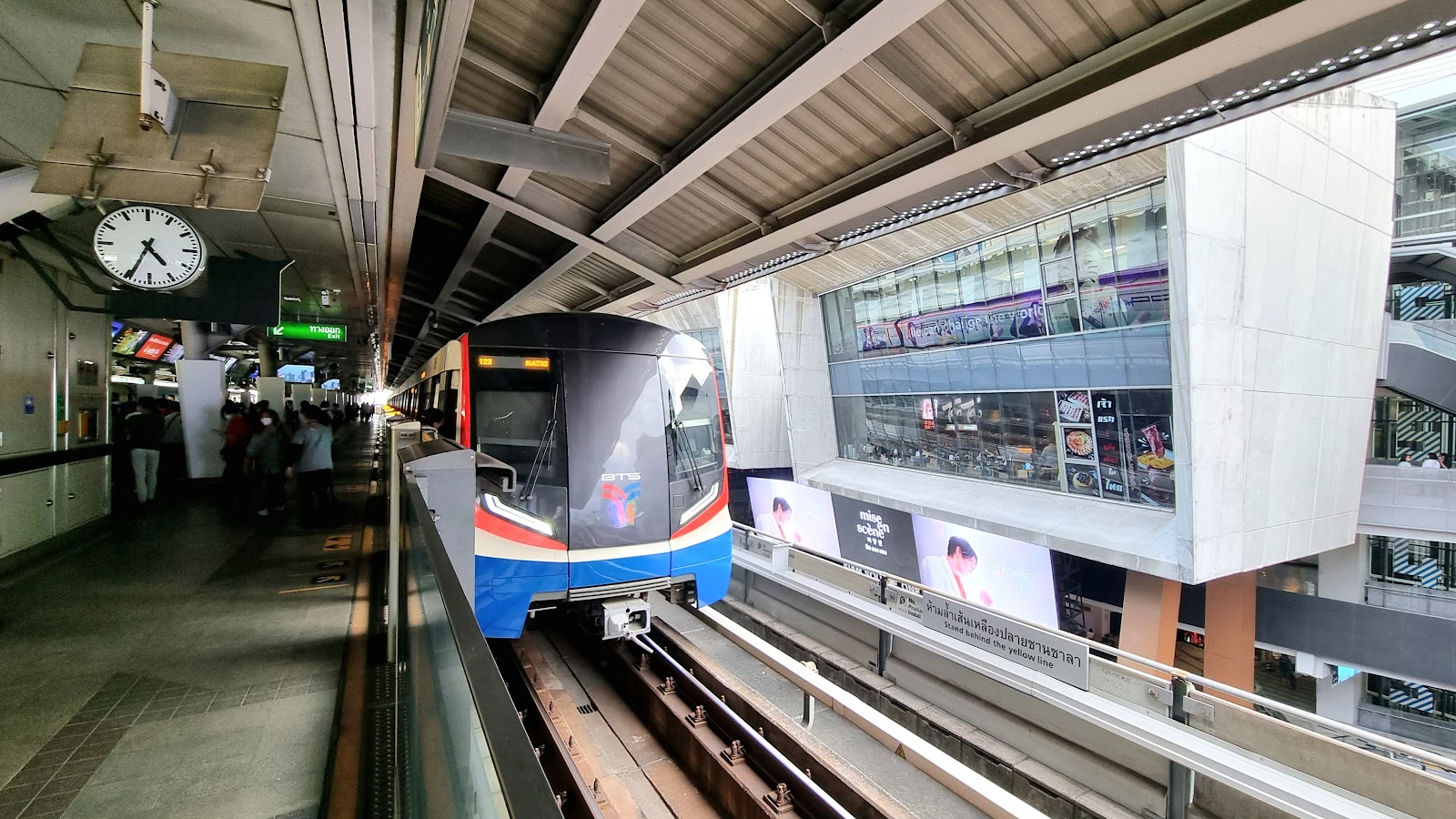
Bangkok's traffic is heavy, and daily life is easier on rails and water. The BTS Skytrain runs from 5 a.m. to 1 a.m., and the MRT underground lines cross it at several interchanges. River boats serve the old city and the riverside, and ride-hailing apps fill the gaps; see what the BTS is.
The weather, season by season
The Thai Meteorological Department divides the year into three seasons:
- Rainy season, mid-May to mid-October, with abundant rain and the wettest period in August and September; our guide to when rainy season is in Bangkok explains the pattern.
- Cool season, mid-October to mid-February, the mildest and most comfortable time of year.
- Hot season, mid-February to mid-May, with April the hottest month.
Heat is the constant, and outdoor exercise is easiest early in the morning or in the evening.
Food, parks and markets
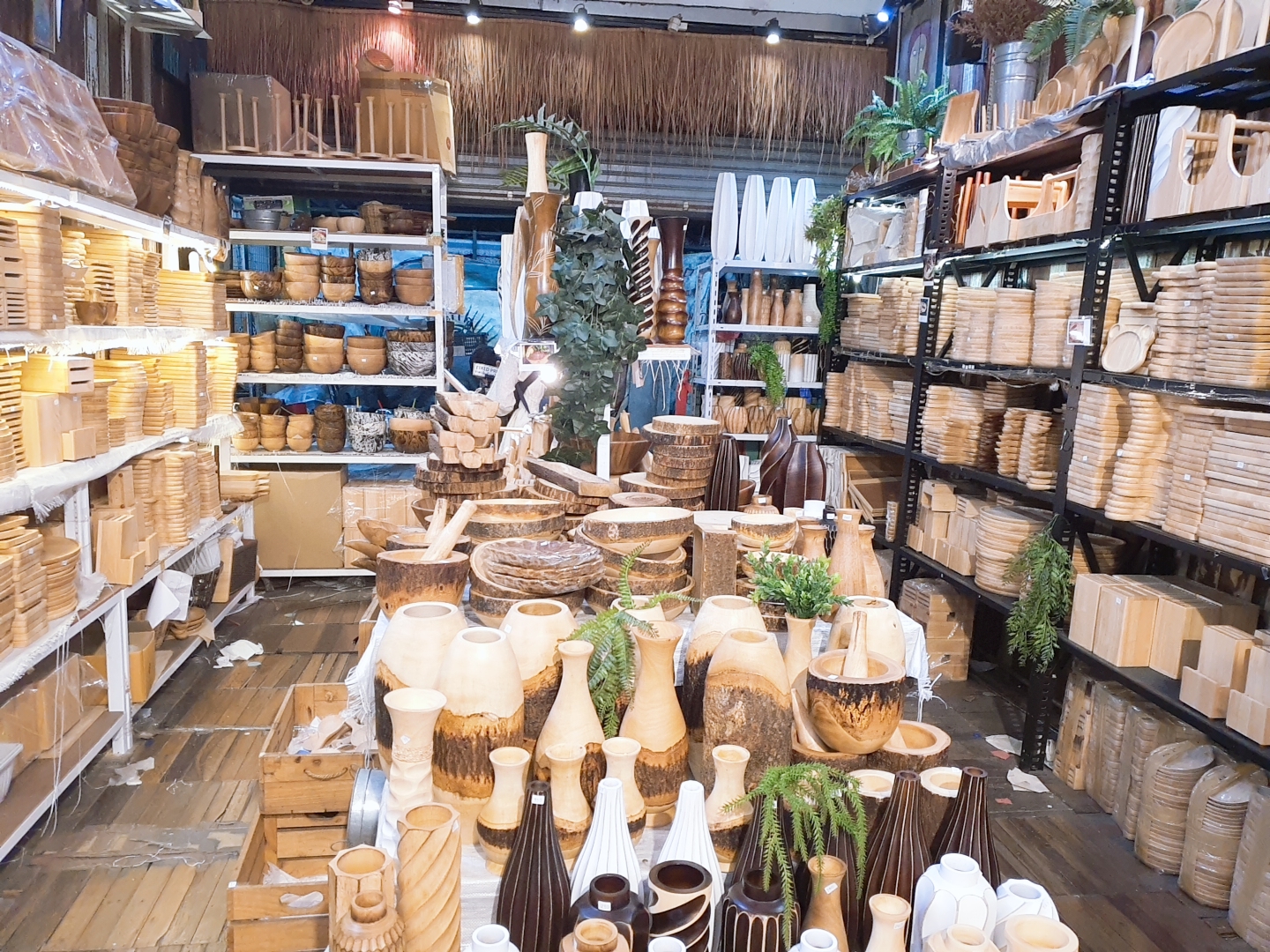
Eating out is easy at every budget, from street stalls and shophouse restaurants to tasting menus; our Bangkok restaurants guide shows the range. The big parks are the city's shared back gardens. Lumphini Park, Bangkok's first public park, has a lake on the edge of Silom, and Benjakitti Forest Park near Sukhumvit has an elevated skywalk through a planted wetland forest. Chatuchak Weekend Market, the big weekend market in the north of the city, has stalls selling everything from clothes to homeware.
Visas: you cannot live here on a tourist entry
Staying long-term needs the right visa. For visitors, the rules changed on September 15, 2026: the 60-day visa exemption ended, and passport holders from 60 countries and territories now receive a visa exemption of up to 30 days for tourism, with limits on repeated entries by land. That is enough to look around, not to live. Work, retirement, study and other long-stay visas each have their own conditions. Start with how to move to Bangkok.
The trade-offs
- Heat and rain shape your routine for much of the year.
- Traffic makes location near a station worth paying for.
- A low-lying city. Bangkok sits at an average of about 1.5 meters above sea level in the Chao Phraya delta, and flooding is a long-term concern; see why Bangkok is sinking.
- Costs vary widely with how you live. How much it costs to live in Bangkok breaks it down.
Sources: National Statistical Office: registered population by province (2025), BTS: train times and frequency, Thai Meteorological Department: climate of Thailand, TAT Newsroom: new visa exemption rules from September 15, 2026, Wikipedia: Bangkok. Checked September 26, 2026.
It suits people who like a large, dense city with excellent food and good rail transport, and who can live with heat, heavy rain in the rainy season and traffic. Choosing a home near a BTS or MRT station makes daily life much easier.
5,422,568 people were registered in Bangkok in 2025, according to the National Statistical Office. The 2010 census counted 8,305,218 people actually living there, because many residents are registered in other provinces.
The BTS runs from 5 a.m. to 1 a.m. The last train from Siam to all stations leaves at 12:02 a.m., according to the BTS website on September 26, 2026.
The cool season, from mid-October to mid-February, is the mildest. The hot season runs from mid-February to mid-May, with April the hottest month, and the rainy season from mid-May to mid-October, wettest in August and September.
No. From September 15, 2026, passport holders from 60 countries and territories get a visa exemption of up to 30 days for tourism, replacing the former 60-day exemption. Living in Bangkok requires a long-stay visa such as a work, retirement or study visa.
Sukhumvit along the BTS Sukhumvit line, Silom and Sathorn in the business district, the riverside along Charoen Krung, and quieter areas such as Ari. Most people choose by distance to a rail station.