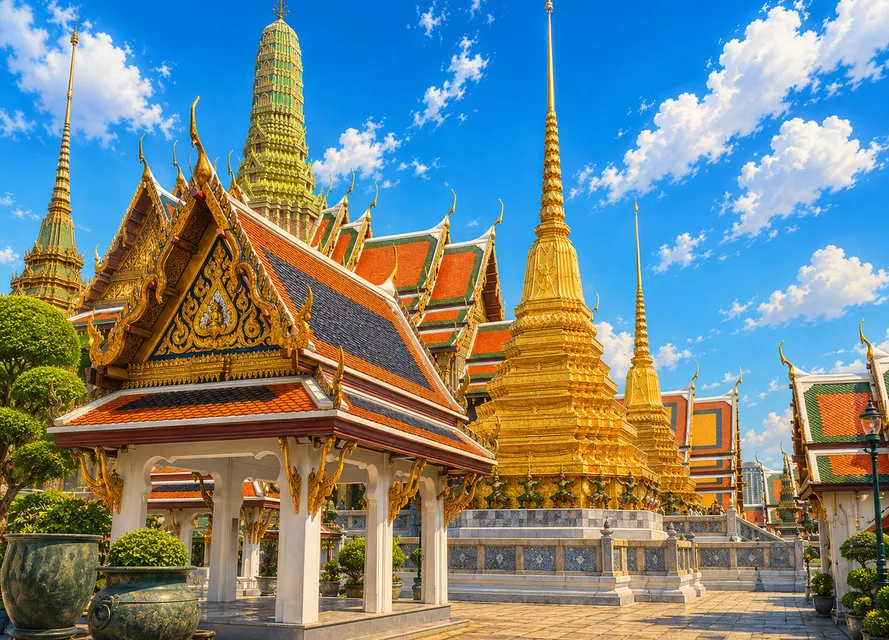
What is Bangkok like? It is a huge, hot, fast-moving capital that is also easy to enjoy at your own pace: a city of working temples and royal palaces, street food and fine dining, heavy traffic and quick trains, where daily life spills onto the pavement from early morning to late at night. Most visitors find it more manageable than they expected once they learn two things: use the rail lines and river boats, and plan the day around the heat.
This guide describes what the city is like to spend time in, from the weather and the pace of the streets to temple etiquette, food, neighborhoods and staying safe. For a picture of the city's skyline, river and architecture, see our companion piece on what Bangkok looks like.
It is hot, and the day has a rhythm
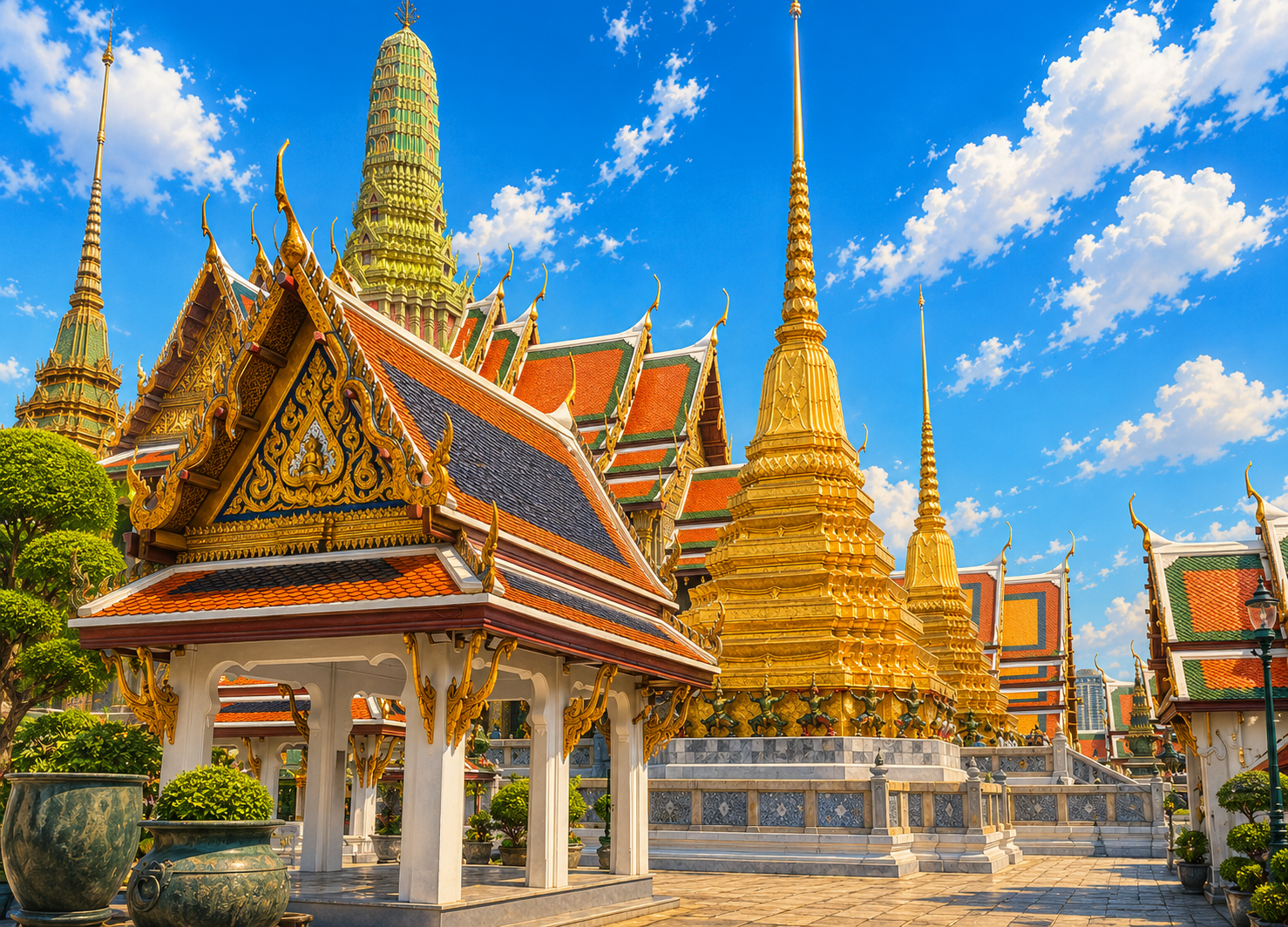
Bangkok is warm all year, and the heat shapes how the city works. Temples and markets are busiest in the morning and late afternoon; the middle of the day is when many people head indoors, into air-conditioned malls, museums and cafés. Evenings are when a lot of the city comes out: night markets, riverside restaurants and street-food lanes are at their liveliest after dark. Our guide to why Bangkok is so hot explains the climate, and the temple section below covers what to wear.
The season matters too. In the dry months, roughly November to March, Bangkok's air quality is at its worst; in the Pollution Control Department's 2025 figures, every day above the national PM2.5 standard at its central Rama IV Road station fell in that window. The rest of the year the air is much cleaner, but you trade haze for rain.
It is spread out, so how you travel matters
Bangkok is a sprawling city without a single center, and road traffic is heavy. The good news is that the BTS SkyTrain and MRT subway link most of the areas visitors use, run from early morning until around midnight or later, and are signposted in English. The Chao Phraya Express Boat covers the river and the Old City. Taxis, ride-hailing apps and tuk-tuks fill the gaps. Our guide to getting around Bangkok explains each option.
Temples are working religious places
Bangkok's temples are not museums. They are active places of worship, and the atmosphere is calm even when they are busy with visitors. Dress codes are real and enforced at the most visited sites. The Grand Palace, for example, lists sleeveless shirts, short tops, see-through tops, shorts, torn trousers, tight trousers and mini skirts among the clothing it does not allow, because it is a place of reverence for Thai people. Covering shoulders and knees is the simple rule of thumb.
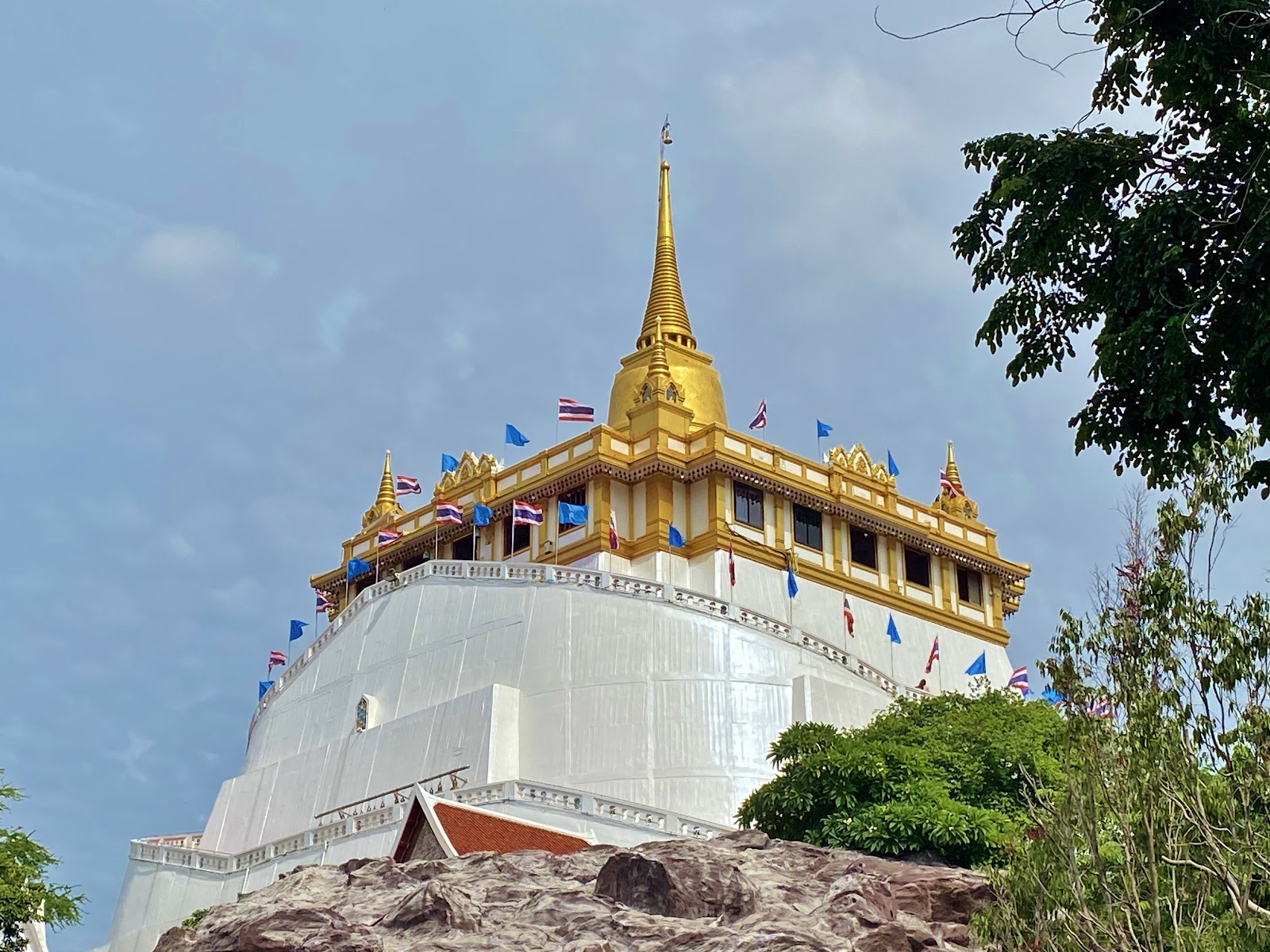
Beyond the big names, smaller temples are part of ordinary neighborhoods. The climb to the gilded chedi of Wat Saket's Golden Mount, in the Old City, is one of the easiest ways to see how temple life and city life sit side by side.
Food is everywhere, at every level
Eating is one of the main reasons people come, and the range is wide. There are street-food stalls and markets, old family restaurants that have served the same dishes for decades, food courts in every mall and ambitious tasting-menu restaurants. You do not need to plan every meal; much of Bangkok's food is simply found on the way to somewhere else. When you do want to plan, our Bangkok restaurant listings range from Old City shophouse kitchens to hotel dining rooms.
Each neighborhood feels different
- The Old City (Rattanakosin): palaces, major temples and museums, low buildings, fewer rail stations and more boats.
- The riverside: historic hotels, river views and boat piers along the Chao Phraya.
- Chinatown: shophouses, gold shops, markets and evening street food around Yaowarat Road.
- Siam and Ratchaprasong: the big malls and the interchange of the two BTS lines at Siam.
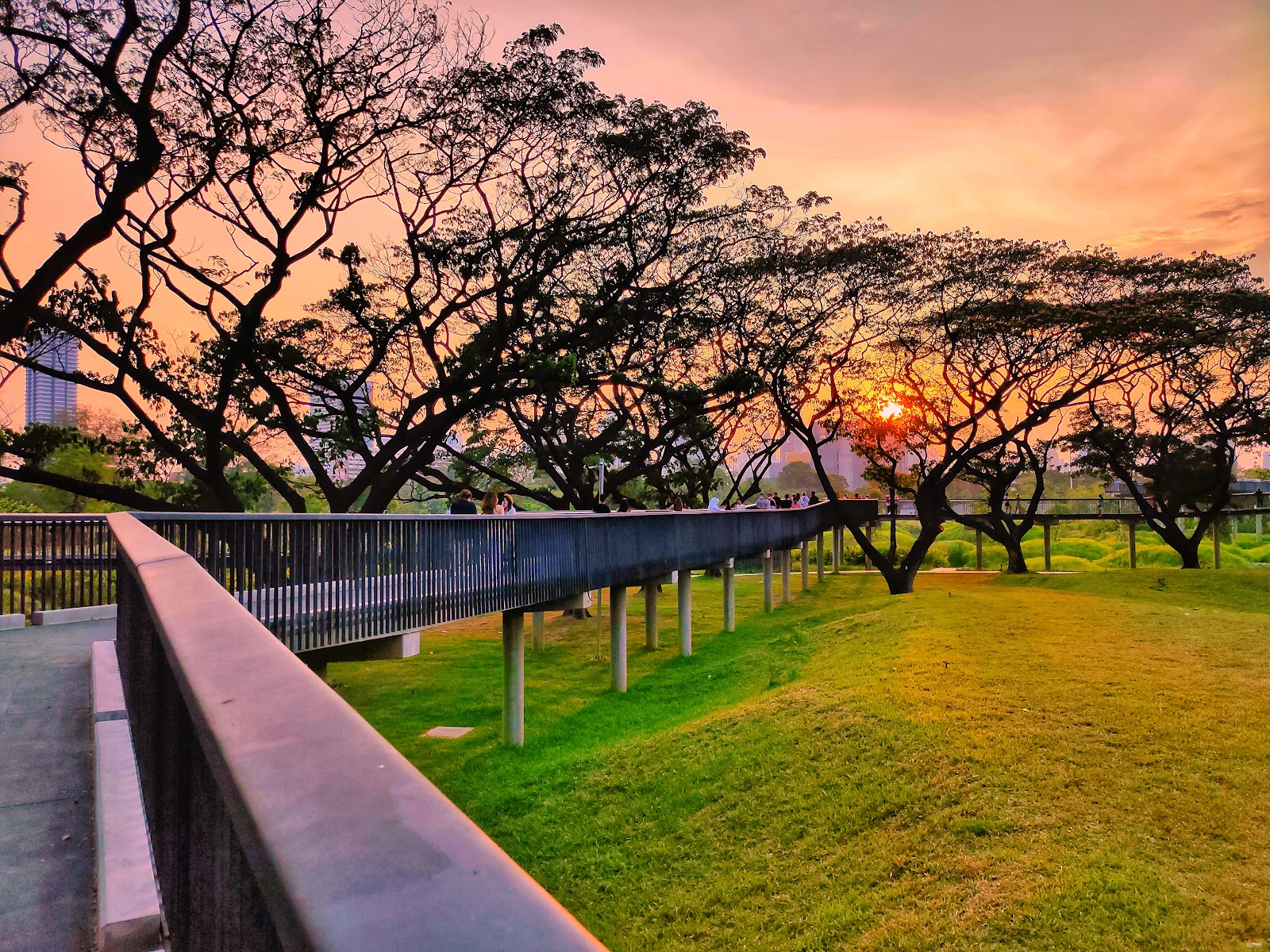
- Silom and Sathorn: the business district, with Lumphini Park on its edge.
- Sukhumvit: a long corridor of hotels, restaurants and residential side streets along the BTS.
- Chatuchak: home of the Chatuchak Weekend Market and a large park.
Is Bangkok safe?
For most visitors, the risks are the ordinary ones of any big city. The UK government's travel advice recommends taking care of bags in open vehicles such as tuk-tuks, not sleeping on buses and trains where items have been taken from bags, and never handing over your passport as a deposit, for example to motorbike or jet-ski rental businesses. Agree tuk-tuk fares before you ride, and use official taxis or ride-hailing apps at night.
Paperwork is part of the trip, too. According to the FCDO, all foreign nationals must complete Thailand's digital arrival card online before arriving, by air, land or sea.
The short version
Bangkok is hot, busy and big, but not hard. Stay near a BTS or MRT station or on the river, start early, take the middle of the day slowly, dress for temples, and leave room to wander. Our Bangkok attractions are a good place to start building the days.
Sources: The Grand Palace: practical information, BTS SkyTrain: service hours, Pollution Control Department 2025 station report, UK FCDO Thailand safety and security, UK FCDO Thailand entry requirements. Checked September 26, 2026.
Generally, yes. The main sights are close to rail lines or the river, trains and boats are straightforward to use, and English signs are common in the areas visitors use most. Planning around the heat and dressing for temples are the main adjustments.
Cover your shoulders and knees. The Grand Palace does not allow sleeveless shirts, vests, short or see-through tops, shorts, torn, tight or bike pants, mini skirts or sleepwear.
In the dry months. In the Pollution Control Department's 2025 figures for its Rama IV Road station, all 59 days above the PM2.5 standard fell between November and March, with January the worst month.
BTS lists service hours of 5 a.m. to 1 a.m.
Yes. According to the UK FCDO, since May 1, 2025, all foreign nationals entering Thailand by air, land or sea must complete a digital arrival card online, within three days before arrival.
Busy central areas stay active late. Take normal big-city care: watch your bags, especially in open vehicles such as tuk-tuks, agree tuk-tuk fares first, and use metered taxis or ride-hailing apps late at night.