Why does Bangkok have a bad reputation? Mostly for four things: scams aimed at visitors, heavy road congestion, poor air on some dry-season days, and a media image built on chaos. Each has a real basis, and each is also narrower than the reputation suggests. None of them has to define a visit, and the practical fixes are simple.
This guide looks at each complaint, what official travel advice actually says about it, and what you can do so it doesn't shape your trip.
Scams: real, predictable and avoidable
Scams are the biggest single reason for Bangkok's reputation, and government travel advice confirms they happen. The Government of Canada's advice for Thailand says many of its travelers fall for scams. It describes gem and jewelry scams in which merchants sell lower-quality stones at inflated prices with promises that they can be resold at a profit, promises that are not always honored.
The same advice describes rental scams, in which companies accuse renters of damaging a motorbike or jet ski and hold a passport left as collateral. The UK Foreign, Commonwealth and Development Office (FCDO) says plainly: do not hand over your passport as a guarantee.
Most scams share a pattern. A stranger offers help you didn't ask for, a price is agreed vaguely or not at all, or a "special" offer depends on acting today. A few habits remove most of the risk:
- Buy gems and jewelry only if you know the trade, and ignore any promise of resale profit.
- Agree tuk-tuk fares before you get in, and walk away from rides that include shop stops you didn't request.
- Keep your passport, and photograph rental vehicles before you ride.
- Use licensed taxis from official stands, a ride-hailing app, or the rail network.
- Check opening hours on official websites, not with people you meet in the street.
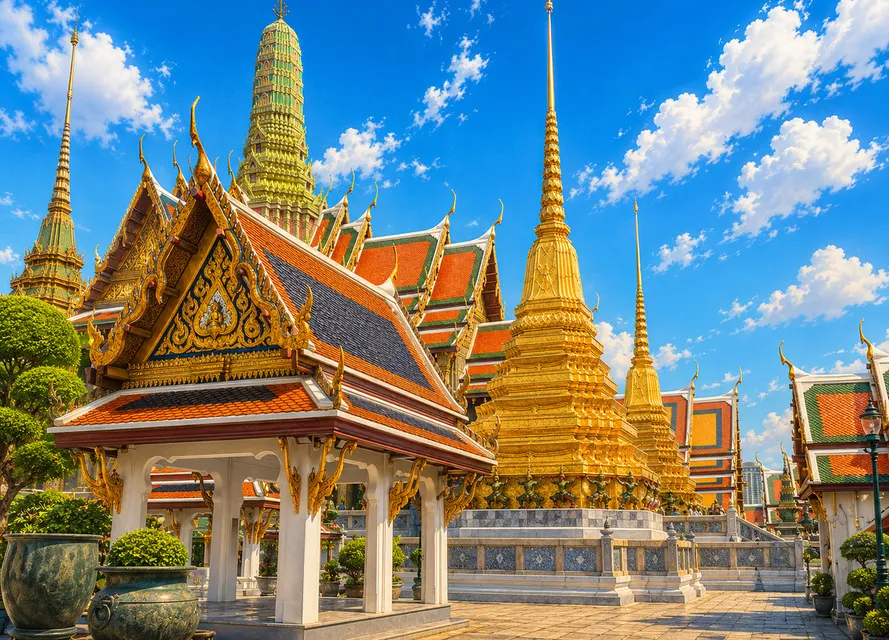
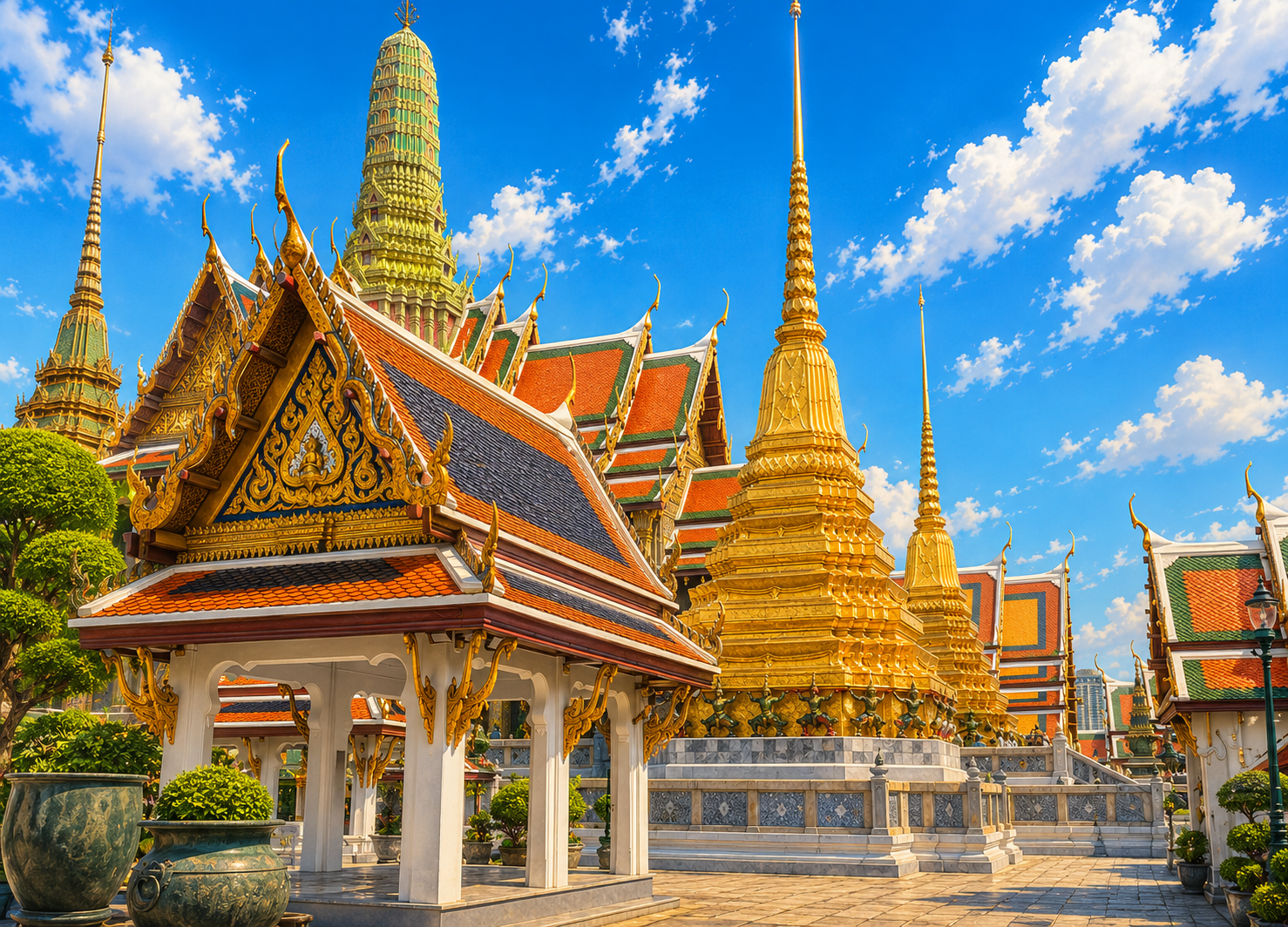
The last point matters at the big sights. The Grand Palace and Wat Pho publish their hours, ticket prices and dress rules on their own sites, so you never need a stranger's word for it. If something does go wrong, Canada's advice lists the tourist police number as 1155.
Traffic: the complaint with the best evidence
Bangkok's traffic reputation is earned. TomTom's Traffic Index for 2025 puts the city's average congestion level at 67.9%, with an average of about 23 minutes to drive 10 km in the city area and roughly 6.5 km covered in 15 minutes. Rush hour is worse.
The reality for visitors is better than those numbers suggest, because you don't have to sit in it. The BTS Skytrain and the MRT subway run above and below the roads through Sukhumvit, Silom, Siam and Chatuchak. River boats serve the Old City and the riverside hotels. A trip planned around rail and river is often much quicker than a taxi at rush hour. Choosing a hotel near a station is the single most useful traffic decision you can make; our Bangkok hotels guide notes the nearest station or pier for each property where it can be verified.
Road safety is part of the same picture. Canada's advice calls vehicle and pedestrian accidents extremely frequent in Thailand, notes that motorcycles sometimes ride against traffic and on sidewalks, and recommends elevated walkways and footbridges in Bangkok whenever possible. The FCDO adds that the World Health Organization ranks Thailand among the deadliest countries for motorcycle fatalities. Look both ways even on one-way streets.
Air pollution: seasonal, not constant
The FCDO says air pollution in large cities, including Bangkok and Chiang Mai, sometimes reaches dangerous levels, and that seasonal smoke haze from agricultural burning adds to it. Canada's advice describes recurrent smog in the dry season and advises people with respiratory conditions to monitor pollution levels.
The fair summary is that bad-air days are real but are not every day. If you have asthma or a heart or lung condition, check a live air-quality index each morning. On a high day, plan indoor sights such as museums and galleries, and save parks and river trips for a clearer day. The FCDO points travelers to the World Air Quality Index website for daily readings.
Heat and crowds: the "too much" feeling
Part of Bangkok's reputation is simply intensity. It is hot for most of the year, with a cool season roughly November to February, a hot season roughly March to May, and rain in roughly June to October. Temples and markets can be crowded. First-time visitors who try to cover the Grand Palace, Wat Pho and Wat Arun at midday in April often come away exhausted and unimpressed.
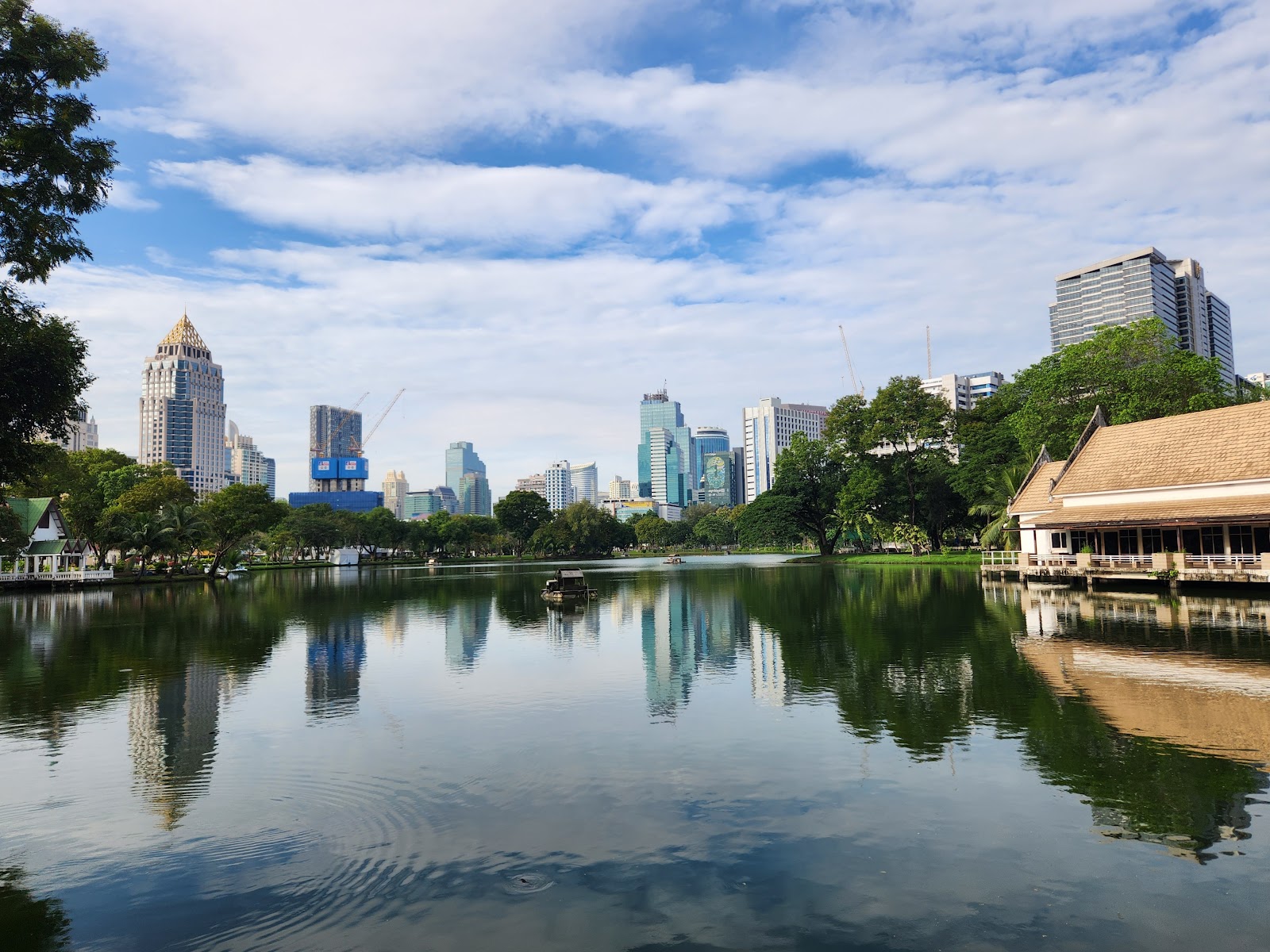
The fix is pacing. Start early, rest in the afternoon, and use green space: Lumphini Park and Benjakitti Forest Park sit between the Silom, Sathorn and Sukhumvit business districts. Dress for temples in advance; the Grand Palace refuses entry in sleeveless shirts, vests, short tops and see-through tops, and Wat Pho asks visitors not to wear shorts.
Media image versus the city visitors actually see
Films, viral videos and travel forums tend to show Bangkok at its most chaotic, because chaos makes better stories than a quiet morning at a temple. The result is a picture of the city built from its loudest few streets.
What that picture leaves out is most of Bangkok: royal temples and museums in the Old City, the Chatuchak Weekend Market, a food scene that runs from street stalls to restaurants recognized by the MICHELIN Guide, and neighborhoods such as Ari and Talat Noi where daily life goes on at its own pace. Our Bangkok attractions guide is a better starting point than any viral clip.
So is Bangkok's bad reputation deserved?
Partly. The scams, the traffic and the dry-season air are documented by governments and traffic data, not invented by gossip. But each problem has a clear, cheap fix: rail instead of roads, official sources instead of street advice, early starts instead of midday marathons, and a quick look at air quality if you're sensitive to it. Travelers who plan around those four points tend to find the city far easier than its reputation.
Sources: Government of Canada, Travel advice for Thailand, UK FCDO, Thailand safety and security, UK FCDO, Thailand health, TomTom Traffic Index, Bangkok, The Grand Palace, practical information, Wat Pho, visit plan. Checked September 26, 2026.
UK and Canadian government advice warns about pickpocketing, bag snatching, card fraud and scams, and says road accidents are common. Carry valuables securely, use licensed taxis or the rail network, and check your government's current travel advice before you go.
Government of Canada advice highlights gem and jewelry scams, where low-quality stones are sold at high prices with a promise of resale profit, and vehicle rental scams involving claimed damage and passports held as collateral. Disputes with taxi and tuk-tuk drivers also occur.
The Government of Canada's travel advice lists the tourist police number as 1155.
TomTom's Traffic Index for 2025 gives Bangkok an average congestion level of 67.9% and an average travel time of about 23 minutes for 10 km in the city area. Using the BTS, MRT or river boats avoids most of it.
UK and Canadian advice both describe seasonal smog and haze in the dry season, with some days reaching dangerous levels. Check a live air-quality index daily if you have a respiratory or heart condition.
The Grand Palace's own rules refuse entry in sleeveless shirts, vests, short tops and see-through tops. Wat Pho asks visitors not to wear shorts, though trousers are fine.